
Every square inch of land contains a backstory.
People are also reading…

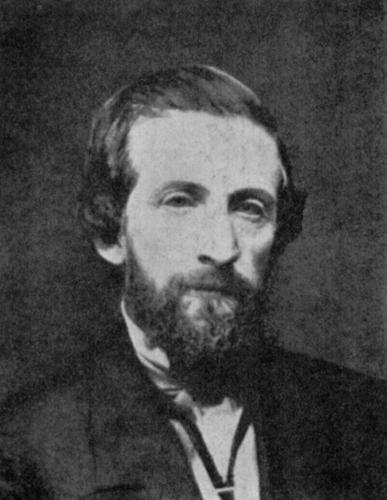
Erastus F. Beadle, author of “Ham, Eggs, and Corn Cake” A Nebraska Territory Diary.

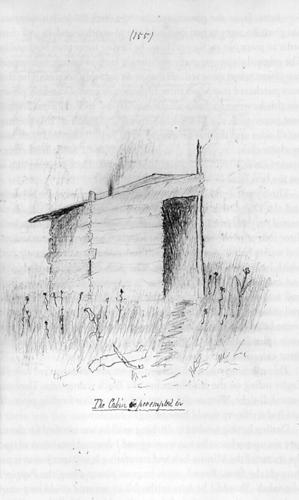
Scan copy of the cabin Erastus pre-empted in. This book is called “Ham, Eggs, & Corn Cake” by Erastus F. Beadle.
A generation of Omahans — and newcomers to the city — likely are unaware that Peony Park, the major amusement spot from the 1930s through 1994, was at 78th and Cass Streets.
Historic landmarks across Nebraska
Slab of Sandstone

This slab of sandstone in western Nebraska once held famous signatures such as John C. Fremont and Kit Carson, but erosion has begun to wash way some of the names.
Salt Basin Monument

The Salt Basin Monument attracted people from great distances and was an important consideration in the decision to locate the state Capitol in Lincoln.
Fort McPherson

The Fort McPherson monument marks the original site of the Old Fort McPherson flagstaff. Today, Fort McPherson is known as a national cemetery and is located south of Maxwell.
Weber Mill

The Weber Mill was one of the earliest mills in Nebraska. The mill supplied flour and lumber to settlers as they traveled through eastern Nebraska.
Fort Kearny

Established in 1848, Fort Kearny was built to protect the pioneers on their migration west.
Willa Cather's Childhood Home

This photo shows the childhood home of Pulitzer Prize-winning novelist Willa Cather in Red Cloud. Cather wrote many novels based around her life in the small Nebraska town.
Fort Atkinson

Established in 1820, Fort Atkinson was built to protect fur traders and to stop the perceived British influence in the area. The fort was also one of the largest and most remote of its day.
Woodcliff Burial Site

Atop the ridge stands a private cemetery for the Grand Pawnee tribe, before the Natives moved to a reservation near Genoa in 1857.
Fort Robinson

In 1905, this building housed the post commanders at Fort Robinson. Today, it has been converted to a museum by the Nebraska State Historical Society.
Cattle Trail

The Cattle Trail monument honors the great cattlemen who traveled the trail north from Texas to Ogallala.
Jalapa, Nebraska

Jalapa was established in 1859 as an assembly point for soldiers during the Pawnee War. The town would soon disappear, leaving only this monument to mark the town's heritage.
Massacre Canyon

West of McCook on U.S. 34 stands one of Nebraska's tallest monuments. Made of Minnesota granite, this 35-foot-tall monument marks where two Indian tribes battled over land rights in 1873.
Arbor Lodge State Park

On the west side of Nebraska City is Arbor Lodge State Park. Visitors can take a stroll through the original 23 acres of natural timber that Arbor Day founder J. Sterling Morton deeded in 1888.
Ashfall Fossil Beds

Located in northeastern Nebraska, Ashfall Fossil Beds is one of the premier sites for viewing prehistoric creatures that once roamed the area.
Scotts Bluff

The Scotts Bluffs National Monument is high above the Oregon Trail in western Nebraska.
Chimney Rock

Rising 475 feet above the Platte River is Chimney Rock. The natural tower served as a beacon to pioneers, marking the change in landscape from the plains to the mountains.
Pony Express

Once the sole source of news in the West, the Pony Express route went through the heart of Nebraska. The stations marked on this map served as stopping points for the westward-bound news carriers.