David Beadle owned the north half of Papillion, Samuel Meade Pike the south half.

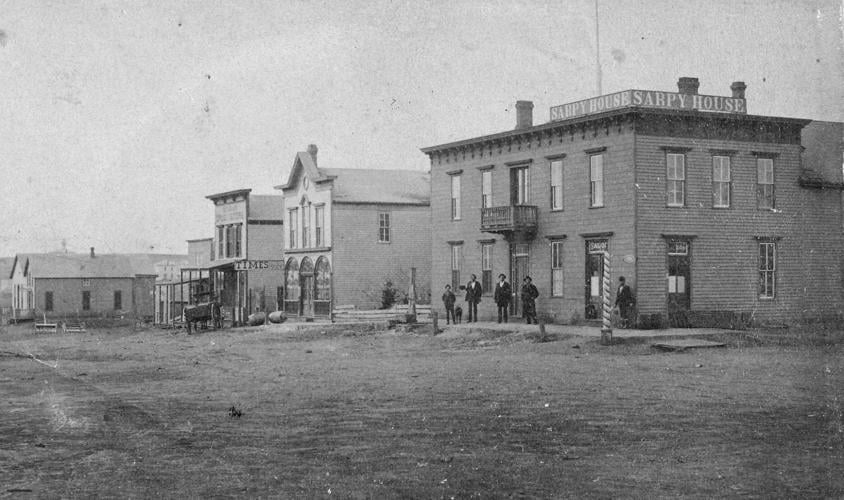
The Sarpy House Hotel, shown in this circa 1876 photo, was built in autumn of 1870 by John Eisele. After Papillion began using electric lights, Sarpy House owner R. E. Tallon was the first to apply them to advertising, installing a flashing sign on the corner of his building in 1911.
PAPILLION AREA HISTORICAL SOCIETYPeople are also reading…
- Former Nebraska quarterback plays in NFL preseason loss
- Former Nebraska football coach named archenemy of old Big 12 rival
- Omaha police identify woman killed in fiery crash on Interstate 80
- Anthony Colandrea only Husker to make top 150 player list
- Nebraska safeties coach ready for return to college football
- Game and Parks investigating drowning of 7-year-old boy at Lake Mac
- After another defeat, Dodgers hope Skubal, Snell can snap team out of funk
- Leader of Nebraska’s embattled Medicaid program resigns
- Nebraska football hires new director of player of development
- Grand Island lawyer pleads not guilty to second-offense DUI
- Elm Creek community gathers in vigil for teen victims of crash
- Nebraska football to get visit from blue-chip defensive end in October
- Nebraska legend announces dementia diagnosis in Hall of Fame speech
- Ex-Husker assistant Chuck Love seeks dismissal from Ashley Scoggin lawsuit
- County chair sues Nebraska Democratic Party, alleging retaliation for reporting sex harassment

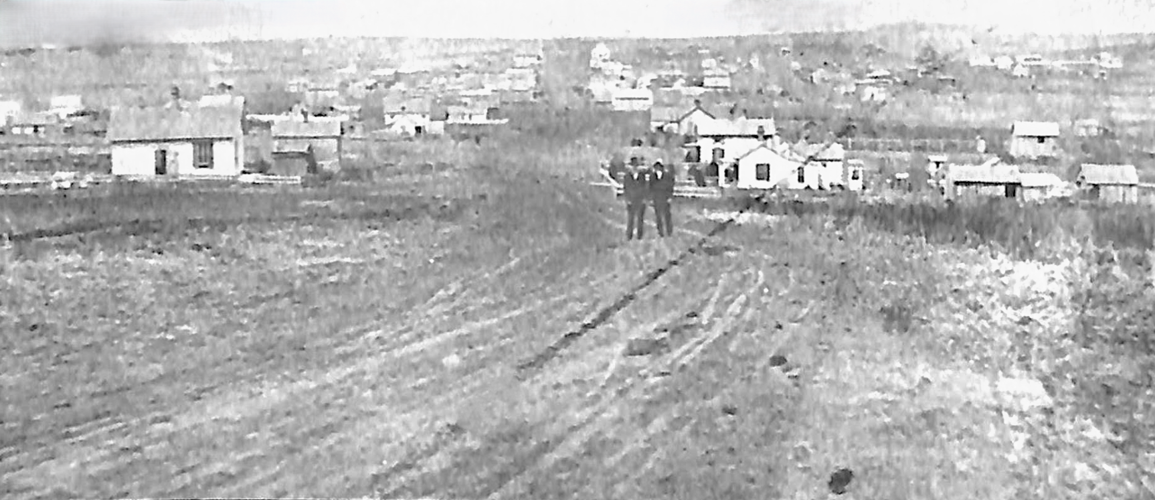
How Washington Street (84th Street) looked in early Papillion, the camera pointing north from south of the West Papillion Creek.
PUBLIC DOMAIN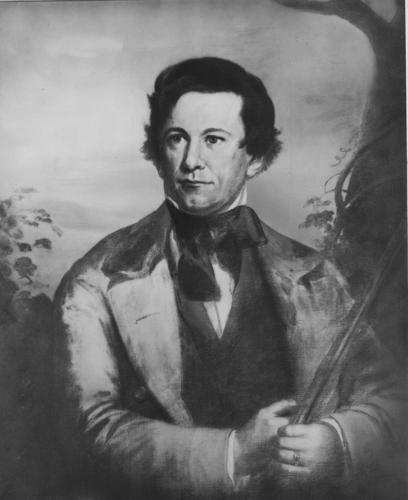
1857: Sarpy County, named for fur trader Peter A. Sarpy, was established by carving off a southern portion of Douglas County. Papillion was surveyed and platted, officially becoming a village in 1870, and replaced Bellevue as the county seat in 1875.
- THE WORLD-HERALD
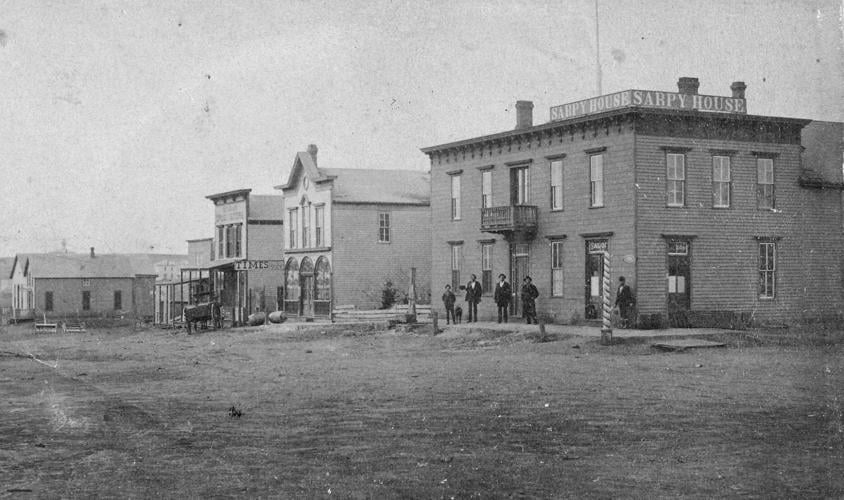
c. 1876: The Sarpy House Hotel was built in autumn of 1870 by John Eisele. After Papillion began using electric lights, Sarpy House owner R. E. Tallon was the first to apply them to advertising, installing a flashing sign on the corner of his building in 1911.
- PAPILLION AREA HISTORICAL SOCIETY
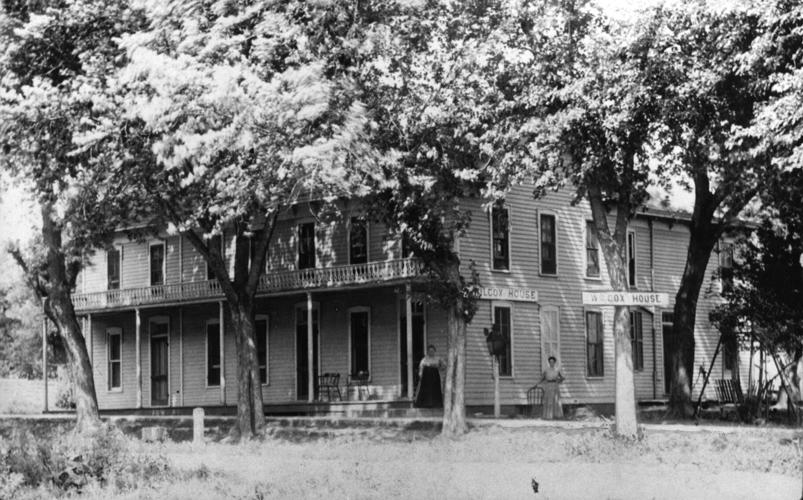
c. 1903: The Wilcox House, also known as the Wilcox Hotel, was built in 1876. Together with the Sarpy House and the Papillion House, the three hotels were vital to supporting railroad passengers around the turn of the century.
- SARPY HISTORICAL SOCIETY PHOTO
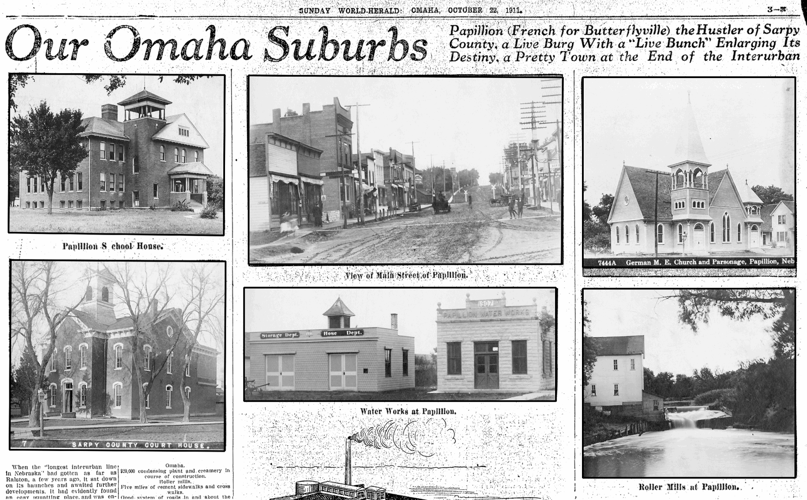
October 22, 1911: A snappy World-Herald headline dubs Papillion 'the Hustler of Sarpy County' and goes on to highlight some of the city's landmark sites as they appeared in the early 1900s. Clockwise from top left: Papillion School House; a view of Main Street; German Methodist Episcopal Church and Parsonage; Papillion Roller Mills; the recently installed waterworks system; the original Sarpy County Courthouse.
- THE WORLD-HERALD
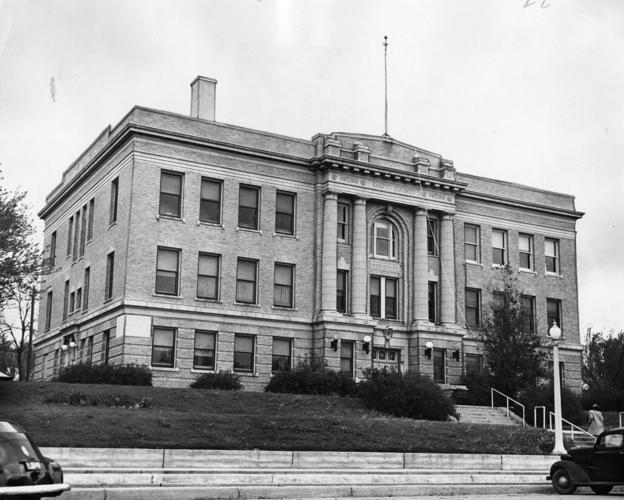
1945: Once a mecca for immediate midnight marriages, the Sarpy County Courthouse dropped from a record high of 1,796 marriage licenses issued in 1942 to a mere 98, after a 1943 Nebraska law was passed requiring couples to present a health certificate before being issued a license.
- THE WORLD-HERALD
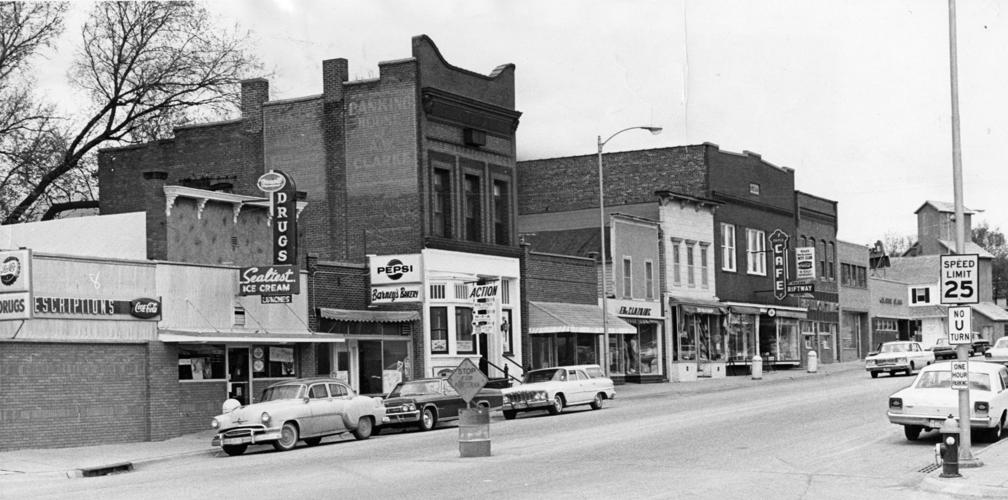
1967: The old face of downtown Papillion, as seen from Washington Street. Several businesses agreed to remodel with aluminum and glass storefronts, in an effort to keep in harmony with the modern look of the rest of the town, and avoid a blighted status.
- THE WORLD-HERALD
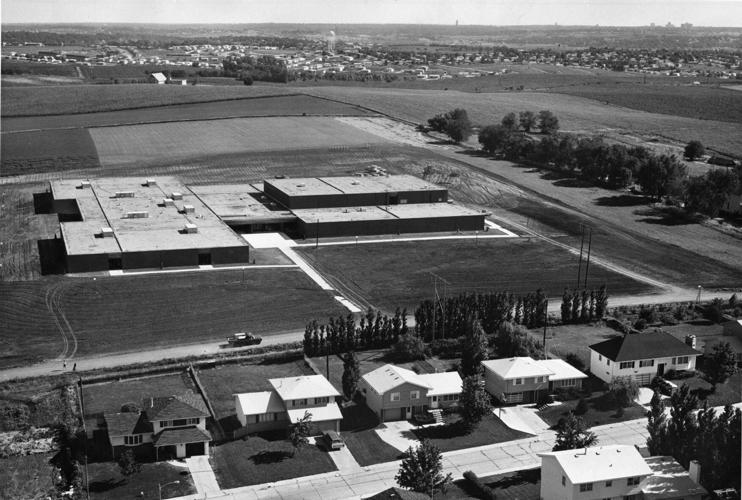
1971: An aerial view of the new Papillion High School, with Omaha and La Vista distantly visible in the background. The new high school served grades 9-12, and first-year attendance was estimated at around 1,000 students.
- ROBERT PASKACH/THE WORLD-HERALD
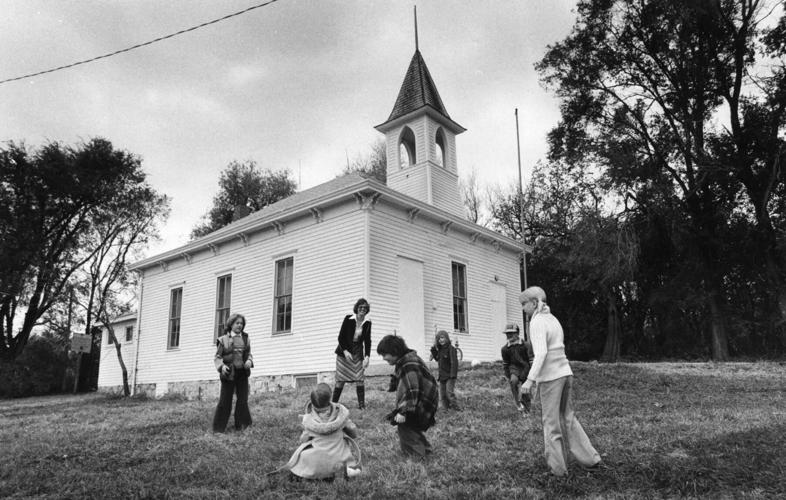
1978: Located on the edge of Papillion, the unincorporated town of Portal, Nebraska once supported a wooden one-room school house of three students. The building was eventually purchased and relocated downtown by the Papillion Area Historical society.
- RICH JANDA/THE WORLD-HERALD
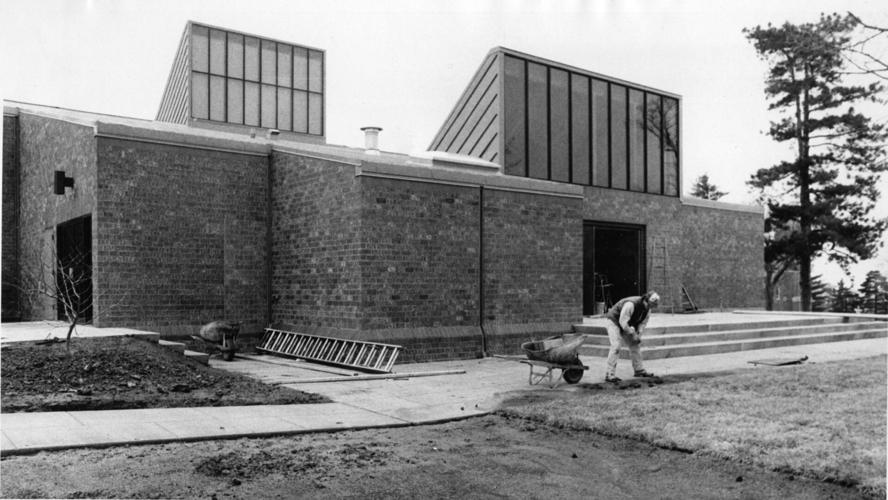
1982: Parishioners dedicate St. Columbkille's Catholic Church in Papillion, named for the Irish saint credited with bringing Christianity to Scotland. Although the church's pastoral background and community were largely German, church history suggests an early Irish-born pastor at Gretna named the parish sometime around 1877.
- ED RATH/THE WORLD-HERALD
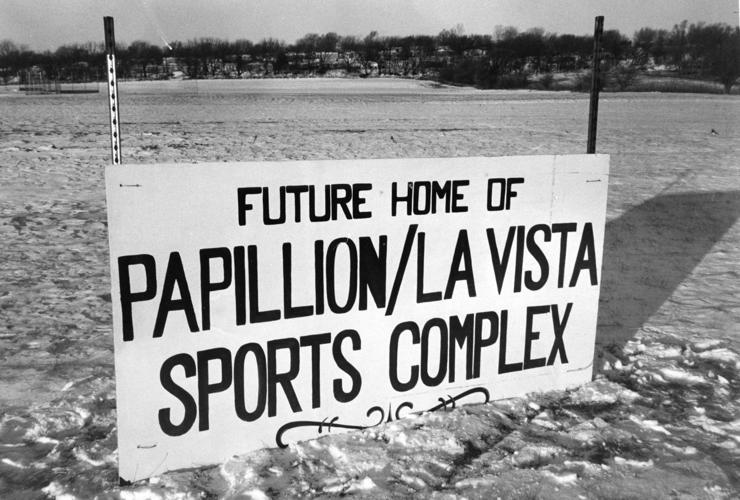
1985: A new sign appears indicating the future site of the La Vista sports center on 66th Street. Due to an ongoing debate over which city should come first when naming the joint project, it was assumed Papillionites had placed the sign as a practical joke. The complex was paid for by the city of La Vista, and continues to operate today as the La Vista Sports Complex.
- JAMES IVEY/THE WORLD-HERALD
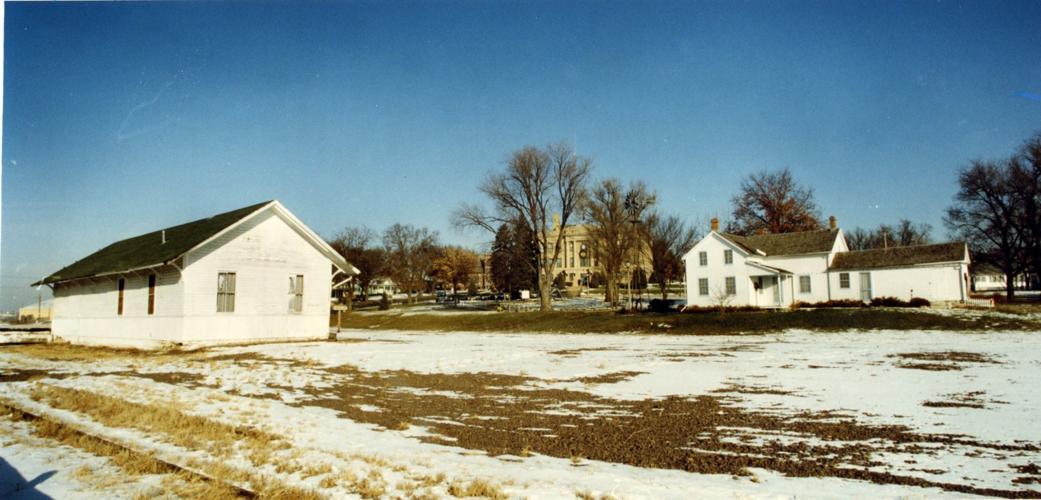
1993: The former Union Pacific train depot awaits its fate, despite a valiant petition effort to save it. Once acquired by Papillion City Council, the depot was eventually demolished and replaced by a new public library. Further back, historic Sautter Farmhouse and Papillion City Hall can be seen.
- RICH JANDA/THE WORLD-HERALD
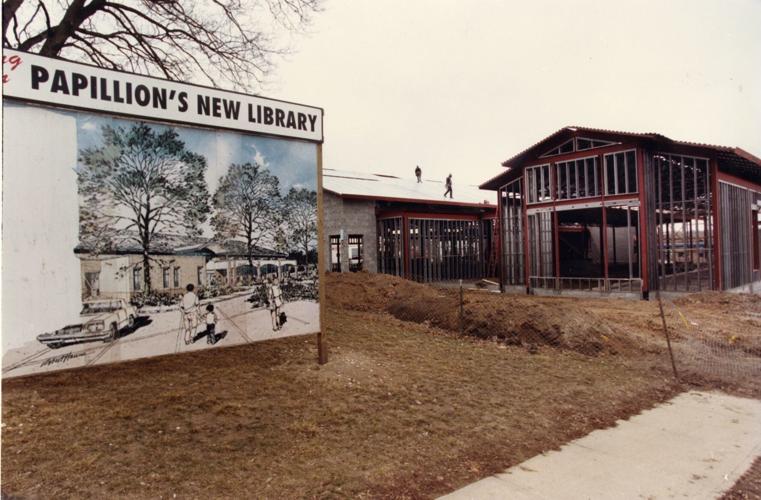
1996: The new Papillion Library under construction. After almost thirty years of planning and despite a rejected bond effort, a combination of city budget adjustments and private donations raised the funds necessary for the new building. Construction began in spring of 1995 and was completed by late fall the next year.
- KILEY CHRISTIAN/THE WORLD-HERALD
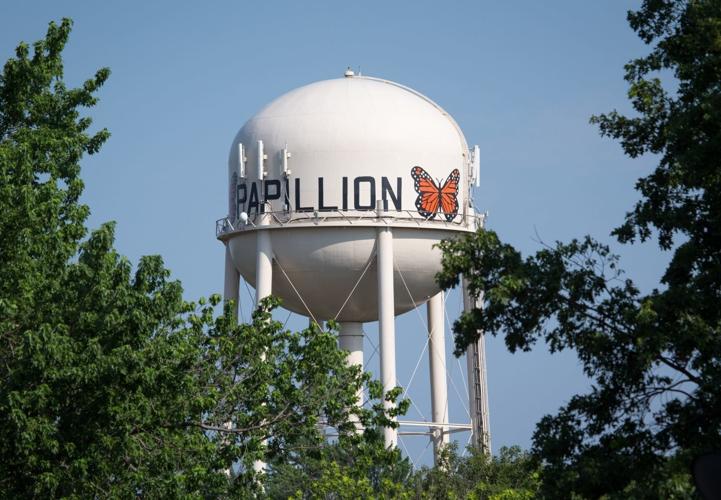
2016: The Papillion water tower, located near Sixth and Beadle Streets. The town's name is believed to have originated from the French 'papillon', as used by early fur traders to describe local wildlife. Dr. D. E. Beadle, sometimes mentioned as the town's father, built the first house in Papillion and was its first Postmaster.
- KENT SIEVERS/OMAHA WORLD-HERALD
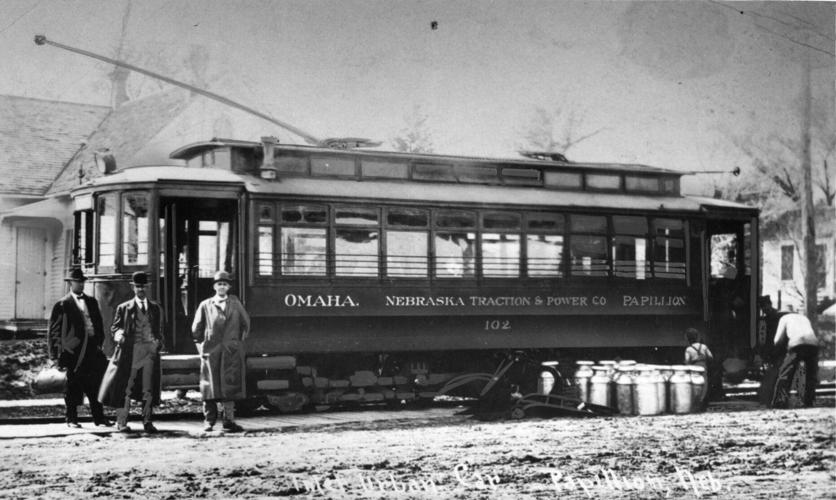
1909: Nebraska Traction and Power Company founds a streetcar rail line running from Omaha, through Ralston, ending in Papillion. The first interurban streetcar ran in 1911, and would continue to operate for 15 years until bus transit became the preferred method of mass transportation. Fare was anywhere between a nickel (Papillion to the county line) up to a quarter (Papillion to Omaha).
- THE WORLD-HERALD
Timeline: Papillion through the years
An assorted collection of historical archive photos documenting newsworthy events in the history of Papillion, from early settlements during the 1900s to recent developments.
1857: Sarpy County, named for fur trader Peter A. Sarpy, was established by carving off a southern portion of Douglas County. Papillion was surveyed and platted, officially becoming a village in 1870, and replaced Bellevue as the county seat in 1875.
- THE WORLD-HERALD
c. 1876: The Sarpy House Hotel was built in autumn of 1870 by John Eisele. After Papillion began using electric lights, Sarpy House owner R. E. Tallon was the first to apply them to advertising, installing a flashing sign on the corner of his building in 1911.
- PAPILLION AREA HISTORICAL SOCIETY
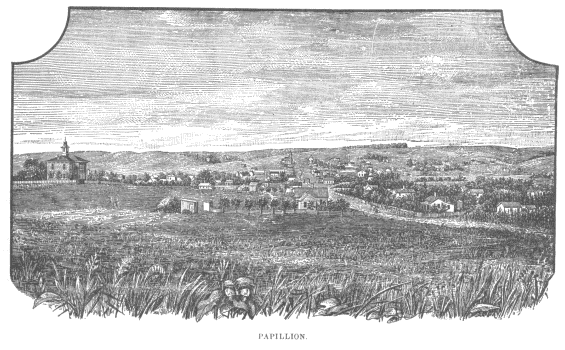
1882: An illustration from Andreas' History of the State of Nebraska shows Papillion during an early survey of the area.
c. 1903: The Wilcox House, also known as the Wilcox Hotel, was built in 1876. Together with the Sarpy House and the Papillion House, the three hotels were vital to supporting railroad passengers around the turn of the century.
- SARPY HISTORICAL SOCIETY PHOTO
October 22, 1911: A snappy World-Herald headline dubs Papillion 'the Hustler of Sarpy County' and goes on to highlight some of the city's landmark sites as they appeared in the early 1900s. Clockwise from top left: Papillion School House; a view of Main Street; German Methodist Episcopal Church and Parsonage; Papillion Roller Mills; the recently installed waterworks system; the original Sarpy County Courthouse.
- THE WORLD-HERALD
1945: Once a mecca for immediate midnight marriages, the Sarpy County Courthouse dropped from a record high of 1,796 marriage licenses issued in 1942 to a mere 98, after a 1943 Nebraska law was passed requiring couples to present a health certificate before being issued a license.
- THE WORLD-HERALD
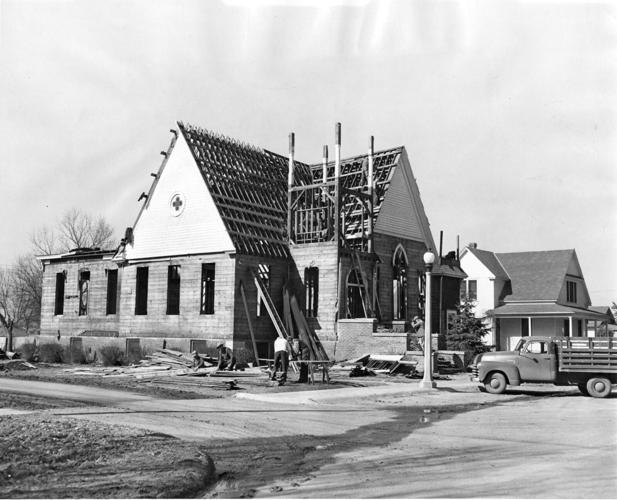
1953: One of Papillion's many historic churches, St. Paul's Methodist, was razed to make room for a new structure.
- THE WORLD-HERALD
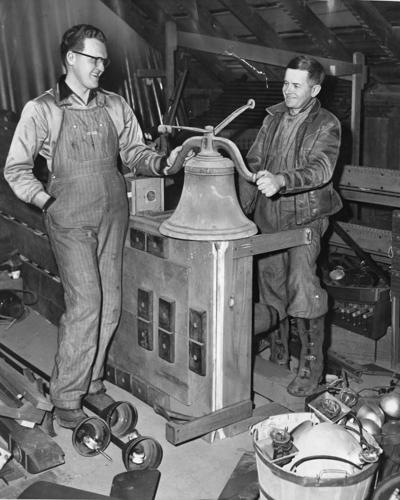
1953: A 1,100-pound bell that had been used at St. Paul's Methodist since 1900 was saved for installation in the new church building.
- THE WORLD-HERALD
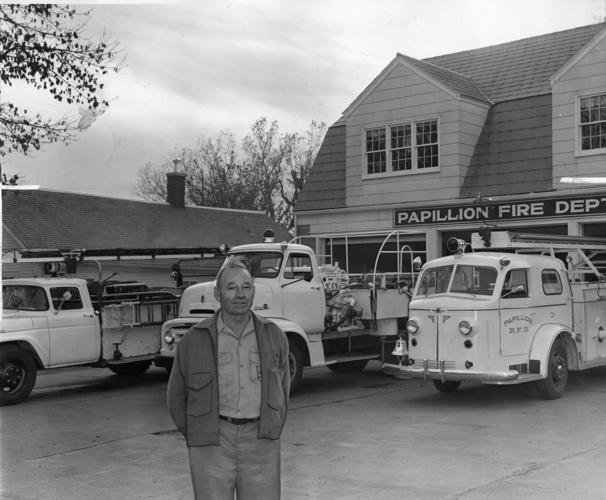
1957: Chief Tony Bucher stands outside the Papillion Fire Department.
- THE WORLD-HERALD
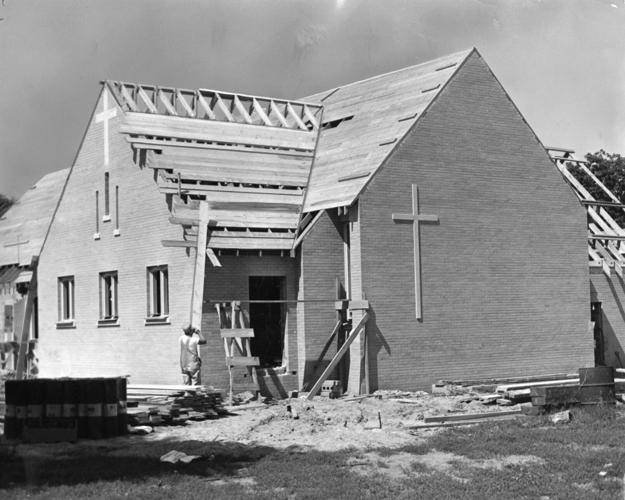
1959: During a historic year for Omaha-area churches, twenty-nine congregations finished, broke ground, or laid plans for construction, including Papillion Trinity Lutheran.
- THE WORLD-HERALD
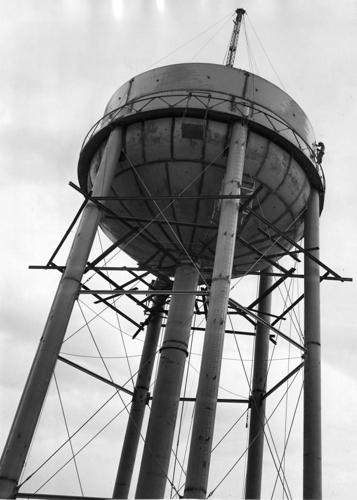
1960: Steeplejacks face 90 to 135 degree temperatures in early August as they work inside and outside of the new Papillion water tower.
- THE WORLD-HERALD
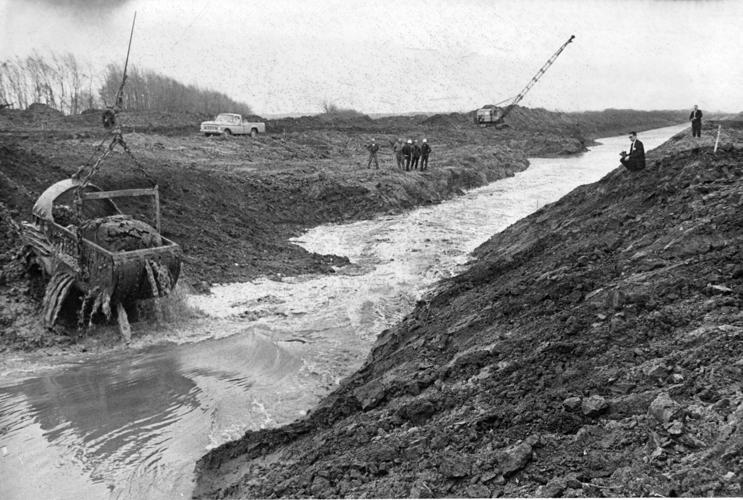
1964: The Army Corp of Engineers diverts Papillion Creek into a new channel to avoid more threat of flooding in 1964.
- THE WORLD-HERALD
1967: The old face of downtown Papillion, as seen from Washington Street. Several businesses agreed to remodel with aluminum and glass storefronts, in an effort to keep in harmony with the modern look of the rest of the town, and avoid a blighted status.
- THE WORLD-HERALD
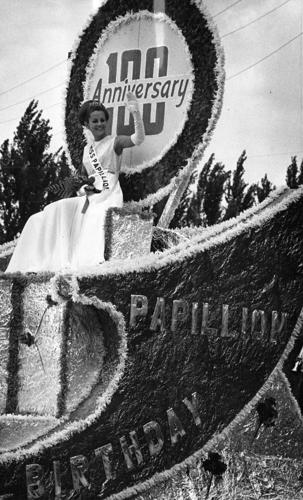
1970: Miss Papillion waves from her float in the centennial parade as the city celebrates is 100th anniversary.
- THE WORLD-HERALD
1971: An aerial view of the new Papillion High School, with Omaha and La Vista distantly visible in the background. The new high school served grades 9-12, and first-year attendance was estimated at around 1,000 students.
- ROBERT PASKACH/THE WORLD-HERALD
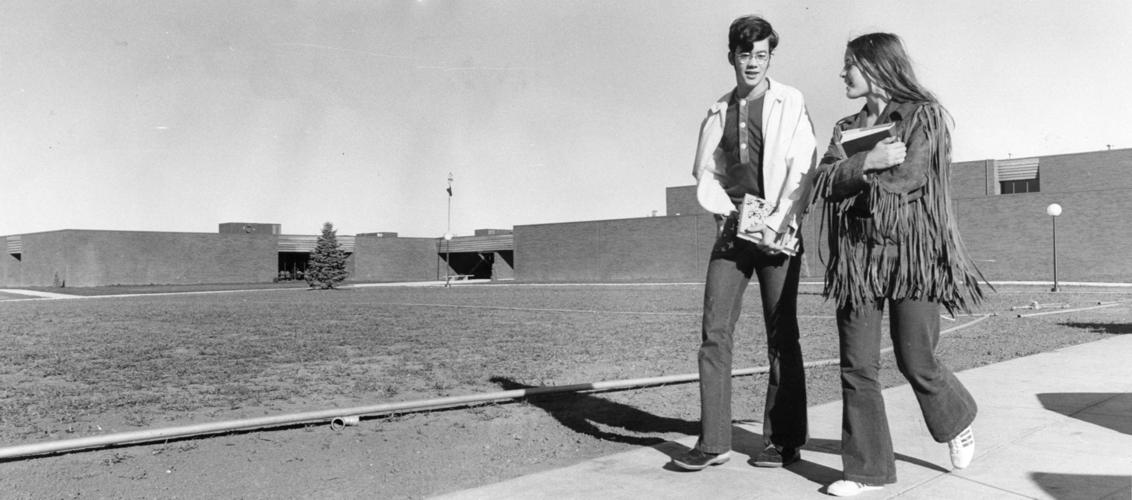
1971: Students Jim Dewhurst and Debbie Schaaf stroll past the newly-dedicated Papillion High School building.
- THE WORLD-HERALD
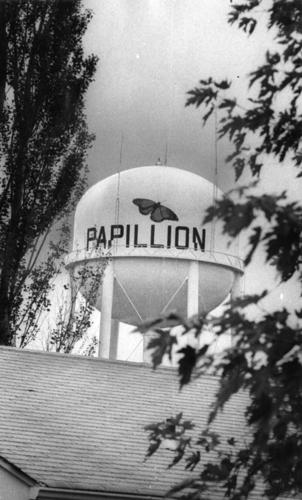
1973: The first paintings of red and black butterflies are added to the Papillion water tower during renovation, reflecting the town's French-origin name and the nickname of Papillion High School's athletic teams: the Monarchs.
- THE WORLD-HERALD
1978: Located on the edge of Papillion, the unincorporated town of Portal, Nebraska once supported a wooden one-room school house of three students. The building was eventually purchased and relocated downtown by the Papillion Area Historical society.
- RICH JANDA/THE WORLD-HERALD
1982: Parishioners dedicate St. Columbkille's Catholic Church in Papillion, named for the Irish saint credited with bringing Christianity to Scotland. Although the church's pastoral background and community were largely German, church history suggests an early Irish-born pastor at Gretna named the parish sometime around 1877.
- ED RATH/THE WORLD-HERALD
1985: A new sign appears indicating the future site of the La Vista sports center on 66th Street. Due to an ongoing debate over which city should come first when naming the joint project, it was assumed Papillionites had placed the sign as a practical joke. The complex was paid for by the city of La Vista, and continues to operate today as the La Vista Sports Complex.
- JAMES IVEY/THE WORLD-HERALD
1993: The former Union Pacific train depot awaits its fate, despite a valiant petition effort to save it. Once acquired by Papillion City Council, the depot was eventually demolished and replaced by a new public library. Further back, historic Sautter Farmhouse and Papillion City Hall can be seen.
- RICH JANDA/THE WORLD-HERALD
1996: The new Papillion Library under construction. After almost thirty years of planning and despite a rejected bond effort, a combination of city budget adjustments and private donations raised the funds necessary for the new building. Construction began in spring of 1995 and was completed by late fall the next year.
- KILEY CHRISTIAN/THE WORLD-HERALD
2016: The Papillion water tower, located near Sixth and Beadle Streets. The town's name is believed to have originated from the French 'papillon', as used by early fur traders to describe local wildlife. Dr. D. E. Beadle, sometimes mentioned as the town's father, built the first house in Papillion and was its first Postmaster.
- KENT SIEVERS/OMAHA WORLD-HERALD
1909: Nebraska Traction and Power Company founds a streetcar rail line running from Omaha, through Ralston, ending in Papillion. The first interurban streetcar ran in 1911, and would continue to operate for 15 years until bus transit became the preferred method of mass transportation. Fare was anywhere between a nickel (Papillion to the county line) up to a quarter (Papillion to Omaha).
- THE WORLD-HERALD