

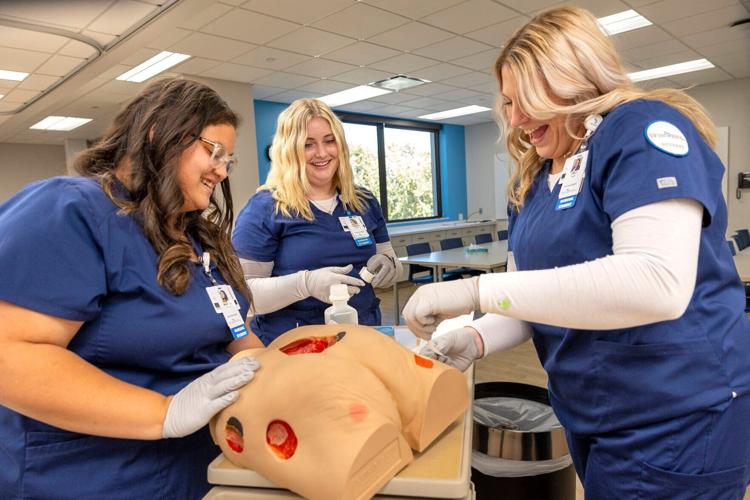
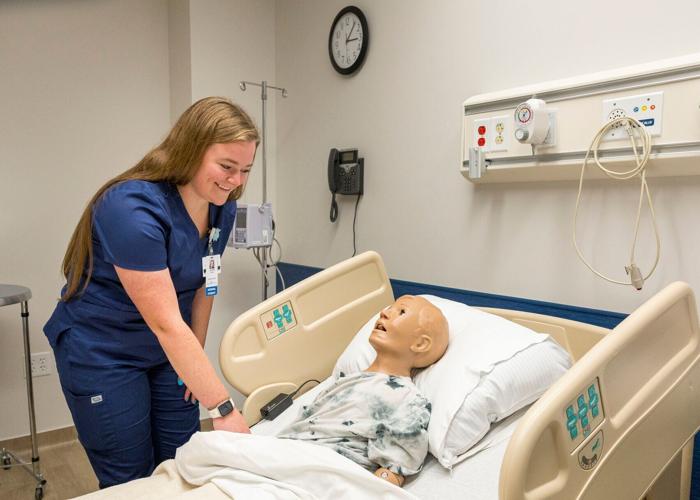
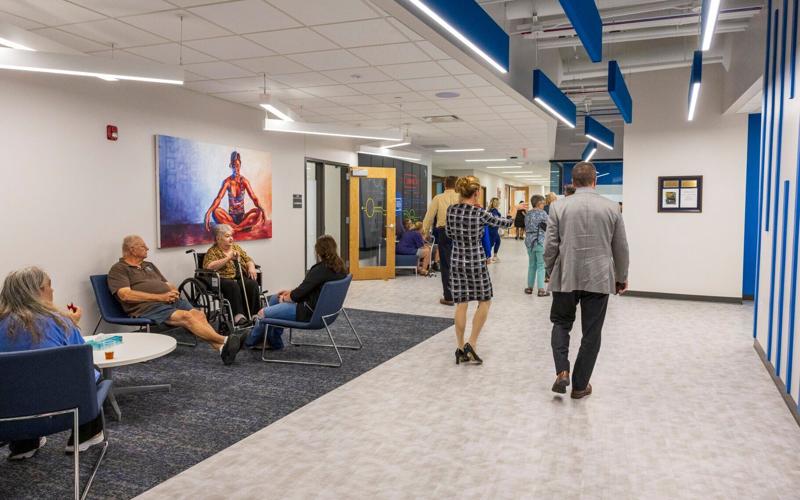
HASTINGS – Torrin Donaldson is a first-year nursing student at Bryan College of Health Science’s new campus in Hastings who hopes to one day become the director of an assisted-living facility.
People are also reading…
States that will need nurses the most by 2030
#51. Washington D.C.

- Projected surplus of registered nurses in 2030: 282.6%
--- 2030 projected demand for registered nurses: 2,300
--- 2030 projected supply of registered nurses: 8,800
- Projected surplus of licensed practical nurses in 2030: 38.5%
--- 2030 projected demand for licensed practical nurses: 1,300
--- 2030 projected supply of licensed practical nurses: 1,800
Washington D.C. is one of the few places that will experience a surplus of both registered nurses and licensed practical nurses over the next decade, thanks in large part to its relatively small population. Still, the capital offers a loan repayment program, covering up to $83,500 for registered nurses, which works to ensure the states won't lure away all of their best candidates.
#50. Wyoming

- Projected surplus of registered nurses in 2030: 50.9%
--- 2030 projected demand for registered nurses: 5,500
--- 2030 projected supply of registered nurses: 8,300
- Projected surplus of licensed practical nurses in 2030: 12.5%
--- 2030 projected demand for licensed practical nurses: 1,600
--- 2030 projected supply of licensed practical nurses: 1,800
Wyoming is one of the country’s more rural states with very little in the way of major metropolitan areas. As a result, it can be difficult for nurses and other healthcare professionals, especially those who are new to the state, to identify hospitals and medical centers in need of employees. The Wyoming Health Resources Network, an organization that works free of charge to match professionals with offices in need, is a useful resource for licensed RNs and LPNs looking to fill the nursing gap.
#49. New Mexico

- Projected surplus of registered nurses in 2030: 44.9%
--- 2030 projected demand for registered nurses: 21,600
--- 2030 projected supply of registered nurses: 31,300
- Projected surplus of licensed practical nurses in 2030: 0.0%
--- 2030 projected demand for licensed practical nurses: 4,900
--- 2030 projected supply of licensed practical nurses: 4,900
In November 2020 during the COVID-19 pandemic, New Mexico found itself short some 6,000 nurses and counting, as professionals fell ill or left the field. As a result, the University of New Mexico pledged $30 million for the construction of a new College of Nursing building that will be designed to attract more students and allow them to obtain a top-of-the-line education. Post-graduation, New Mexico Health Resources, Inc., an organization founded in 1981, will help connect these newly minted nurses to the organizations that need them most.
#47. Vermont

- Projected surplus of registered nurses in 2030: 36.8%
--- 2030 projected demand for registered nurses: 6,800
--- 2030 projected supply of registered nurses: 9,300
- Projected surplus of licensed practical nurses in 2030: 4.2%
--- 2030 projected demand for licensed practical nurses: 2,400
--- 2030 projected supply of licensed practical nurses: 2,500
Nursing graduates (RNs, LPNs, or nurse practitioners) who are struggling to pay off their student debt or handle their loans may want to consider moving to Vermont. The state offers several repayment and assistance programs that make handling debt easier. There are also more nurses per capita here than in other states on average, which means those looking to build a community of peers will have a much easier go of it than nurses in Wyoming, for example.
#46. Kansas

- Projected surplus of registered nurses in 2030: 36.1%
--- 2030 projected demand for registered nurses: 34,900
--- 2030 projected supply of registered nurses: 47,500
- Projected surplus of licensed practical nurses in 2030: 26.3%
--- 2030 projected demand for licensed practical nurses: 11,400
--- 2030 projected supply of licensed practical nurses: 14,400
Anxieties about potential nursing shortages in Kansas have led to legislation that allocates $1.8 million in state funding for nursing program development in the state’s public and private universities. Since the bill was enacted in 2006, program quality has increased, NCLEX scores have gone up, and pass rates have improved. For this reason, students considering enrolling in undergraduate or graduate-level nursing programs would do well to consider a school in the Midwestern state.
#44. Arkansas

- Projected surplus of registered nurses in 2030: 30.3%
--- 2030 projected demand for registered nurses: 32,300
--- 2030 projected supply of registered nurses: 42,100
- Projected surplus of licensed practical nurses in 2030: 14.1%
--- 2030 projected demand for licensed practical nurses: 15,600
--- 2030 projected supply of licensed practical nurses: 17,800
With one of the lowest pay rates in the nation, Arkansas will be forced to get creative if it hopes to attract and keep the thousands of new nurses they’ll need in the future. One hospital, Saline Memorial, is certainly trying: It launched a mentorship program for new nurses in the midst of the pandemic. The program was designed to help new graduates find their footing so they’d stay with the profession even while being completely overwhelmed by the pandemic. The program’s success appears to indicate that other hospitals in the state may set up similar initiatives.
#40. Idaho

- Projected surplus of registered nurses in 2030: 23.5%
--- 2030 projected demand for registered nurses: 15,300
--- 2030 projected supply of registered nurses: 18,900
- Projected surplus of licensed practical nurses in 2030: 4.9%
--- 2030 projected demand for licensed practical nurses: 4,100
--- 2030 projected supply of licensed practical nurses: 4,300
Officials in Idaho are sure that the best way to avoid a nursing shortage in their state is by fostering connections between individuals and the communities where they work. One way the state is building these connections is the Idaho Education Incentive Loan Forgiveness program. The program promises financial assistance to Idaho high school students, who enroll in a state college or university’s nursing program, then pledge to work in the area for at least two years post-graduation.
#39. Missouri

- Projected surplus of registered nurses in 2030: 22.8%
--- 2030 projected demand for registered nurses: 73,200
--- 2030 projected supply of registered nurses: 89,900
- Projected shortage of licensed practical nurses in 2030: 17.4%
--- 2030 projected demand for licensed practical nurses: 28,100
--- 2030 projected supply of licensed practical nurses: 23,200
In 2019, Missouri began tackling its nursing shortage problem by implementing the “earn while you learn” model. This program allowed fourth-semester, associate-degree-earning nurses to bring home a wage while finishing out their education. The idea being that the faster students can get a paycheck the more likely they’ll be to begin a program in the first place.
#38. Florida

- Projected surplus of registered nurses in 2030: 22.4%
--- 2030 projected demand for registered nurses: 240,000
--- 2030 projected supply of registered nurses: 293,700
- Projected shortage of licensed practical nurses in 2030: 12.3%
--- 2030 projected demand for licensed practical nurses: 83,900
--- 2030 projected supply of licensed practical nurses: 73,600
One of the states hit hardest by the COVID-19 pandemic, Florida has also experienced one of the highest rates of nurse loss in the country as health care professionals have fled due to unsafe conditions and burnout. While the last year has only amplified the already-dire situation, some schools, like Premier Nursing Academy, are working hard to offset the losses. In December 2020, the school announced the launching of a free, state-approved program that would train CNAs in just four weeks.
#35. Hawaii

- Projected surplus of registered nurses in 2030: 20.0%
--- 2030 projected demand for registered nurses: 16,500
--- 2030 projected supply of registered nurses: 19,800
- Projected surplus of licensed practical nurses in 2030: 9.3%
--- 2030 projected demand for licensed practical nurses: 4,300
--- 2030 projected supply of licensed practical nurses: 4,700
In 2018, Hawaii was recognized as one of the worst states in the country for nurse burnout by Medicare Health Plans. While the pandemic certainly hasn’t helped the situation, the island state has taken measures to attract more nurses to ease the burden. Public and private agencies have been working to attract out-of-state nurses with stipends, bonuses, and subsidized housing, hoping the benefits will outweigh any potential costs.
#34. Rhode Island

- Projected surplus of registered nurses in 2030: 20.0%
--- 2030 projected demand for registered nurses: 12,500
--- 2030 projected supply of registered nurses: 15,000
- Projected shortage of licensed practical nurses in 2030: 4.2%
--- 2030 projected demand for licensed practical nurses: 2,400
--- 2030 projected supply of licensed practical nurses: 2,300
Even the smallest state in the nation can’t escape the impending nursing shortage. In an attempt to staunch the flow of those leaving the profession, the Department of Health offers a loan repayment program for nurses and health professionals who choose to work in public or private nonprofit hospitals and clinics.
#33. Kentucky

- Projected surplus of registered nurses in 2030: 19.6%
--- 2030 projected demand for registered nurses: 53,700
--- 2030 projected supply of registered nurses: 64,200
- Projected shortage of licensed practical nurses in 2030: 16.3%
--- 2030 projected demand for licensed practical nurses: 17,200
--- 2030 projected supply of licensed practical nurses: 14,400
In early 2020, Kentucky’s governor, Andy Beshear, awarded a $500,000 grant to a program that would introduce teens in rural communities to the realities of nursing. The program, which seeks to better prepare students for the field, is predicted to push some 480 students into nursing. This program, which will help cover the predicted shortage and boost the local economy, is just one of several of its type in the state.
#32. Indiana

- Projected surplus of registered nurses in 2030: 18.6%
--- 2030 projected demand for registered nurses: 75,300
--- 2030 projected supply of registered nurses: 89,300
- Projected shortage of licensed practical nurses in 2030: 26.0%
--- 2030 projected demand for licensed practical nurses: 26,900
--- 2030 projected supply of licensed practical nurses: 19,900
Indiana is taking an innovative approach in solving the nursing crisis: nursing pools. These units work in a similar way to substitute teachers, in that nurses apply to any hospital where there’s a need, but can work in different units or locations as often as necessary. This differs from traditional nursing, where a nurse works in one department or on a single floor throughout the duration of their contract.
#31. Nebraska

- Projected surplus of registered nurses in 2030: 16.5%
--- 2030 projected demand for registered nurses: 21,200
--- 2030 projected supply of registered nurses: 24,700
- Projected shortage of licensed practical nurses in 2030: 7.7%
--- 2030 projected demand for licensed practical nurses: 6,500
--- 2030 projected supply of licensed practical nurses: 6,000
During the height of the second wave of the pandemic, Nebraska’s Department of Health launched a new website designed to help close the current and future gap in nursing. The website connects CNAs, LPNs, and RNs to both employment and volunteer opportunities at hospitals and clinics in need. One of the challenges many willing nurses face, especially those from out of state, is identifying where jobs are available—this website eliminates that hurdle.
#30. Maryland

- Projected surplus of registered nurses in 2030: 16.4%
--- 2030 projected demand for registered nurses: 73,900
--- 2030 projected supply of registered nurses: 86,000
- Projected shortage of licensed practical nurses in 2030: 42.6%
--- 2030 projected demand for licensed practical nurses: 19,700
--- 2030 projected supply of licensed practical nurses: 11,300
As the United States enters this next stage of the pandemic—vaccine distribution—the need for nurses isn’t dying down. Maryland is tackling its shortage of licensed professionals by allowing nursing students to practice ahead of licensure in areas like administering vaccines, even offering them academic credit in exchange for their participation. Many nursing programs have also let students begin clinicals ahead of schedule or graduate early, which should help with shortages both now and in the long run.
#29. Colorado

- Projected surplus of registered nurses in 2030: 14.7%
--- 2030 projected demand for registered nurses: 63,200
--- 2030 projected supply of registered nurses: 72,500
- Projected shortage of licensed practical nurses in 2030: 16.8%
--- 2030 projected demand for licensed practical nurses: 12,500
--- 2030 projected supply of licensed practical nurses: 10,400
Pipeline issues abound in Colorado as they do in many other states, which is why some schools have begun offering concurrent enrollment programs that allow students to obtain associate's degrees through a community college, while also working on their BSN at a larger university. In a similar vein, many colleges have also begun offering telepresence courses that allow currently accredited faculty to teach at multiple locations of a school at once, circumventing the shortage of faculty in general.
#28. Utah

- Projected surplus of registered nurses in 2030: 13.9%
--- 2030 projected demand for registered nurses: 29,400
--- 2030 projected supply of registered nurses: 33,500
- Projected surplus of licensed practical nurses in 2030: 34.0%
--- 2030 projected demand for licensed practical nurses: 5,000
--- 2030 projected supply of licensed practical nurses: 6,700
Like many other states, Utah created a temporary apprentice license in late 2020 to help move more nurses into overwhelmed hospitals. While there’s currently no word on how long the license will remain in effect, making it permanent could go a long way in easing the burden health care workers will face in the next decade.
#27. North Carolina

- Projected surplus of registered nurses in 2030: 13.9%
--- 2030 projected demand for registered nurses: 118,600
--- 2030 projected supply of registered nurses: 135,100
- Projected shortage of licensed practical nurses in 2030: 30.5%
--- 2030 projected demand for licensed practical nurses: 35,100
--- 2030 projected supply of licensed practical nurses: 24,400
North Carolina is not one of the many states creating new laws and passing bills to help with the nursing crisis. At the start of the year, the North Carolina Board of Nursing changed a rule requiring 80% of a program’s faculty to hold a master’s degree (up from 50%). These upper-level degrees are costly and time-consuming to obtain, meaning that when faced with getting one or leaving the field, many current faculty will likely walk away, forcing programs to turn down potential students.
#26. Oklahoma

- Projected surplus of registered nurses in 2030: 13.5%
--- 2030 projected demand for registered nurses: 40,600
--- 2030 projected supply of registered nurses: 46,100
- Projected shortage of licensed practical nurses in 2030: 11.5%
--- 2030 projected demand for licensed practical nurses: 20,800
--- 2030 projected supply of licensed practical nurses: 18,400
Just a few months ago, Oklahoma announced that they’d be making it easier for trained nurses with an inactive license to re-up their certifications. The refresher course now can be partially completed online and finished in half the time it used to take. This move will help bring more nurses to the floor as the pandemic winds down, and may encourage nurses to return to the profession long-term and decrease projected shortages.
#24. Delaware

- Projected surplus of registered nurses in 2030: 9.4%
--- 2030 projected demand for registered nurses: 12,800
--- 2030 projected supply of registered nurses: 14,000
- Projected shortage of licensed practical nurses in 2030: 6.7%
--- 2030 projected demand for licensed practical nurses: 4,500
--- 2030 projected supply of licensed practical nurses: 4,200
One solution to the nursing crisis that’s currently being discussed in Delaware is an increase in Medicaid reimbursement rates. The state is doing better than most when it comes to having enough nurses to staff its hospitals and weather a pandemic, but when it comes to home nursing—a less often discussed but still vital part of the health care system—the state is struggling. Medicaid reimbursement rates, which inform home nurses hourly rates, haven’t risen since 2006, which means many nurses are choosing to work in hospitals and clinics where the pay is higher.
#23. New York

- Projected surplus of registered nurses in 2030: 9.3%
--- 2030 projected demand for registered nurses: 195,200
--- 2030 projected supply of registered nurses: 213,400
- Projected shortage of licensed practical nurses in 2030: 5.8%
--- 2030 projected demand for licensed practical nurses: 62,500
--- 2030 projected supply of licensed practical nurses: 58,900
New York is home to the largest nurses’ union in the country, a coalition of some 42,000 frontline workers. While the state still struggles to get a handle on its projected shortages, which have only worsened during the pandemic, the union offers support for over-stretched and burnt-out professionals. Nursing unions aren’t incredibly common in this country, so the fact that such a massive and powerful body exists may be a draw in and of itself.
#22. Connecticut

- Projected surplus of registered nurses in 2030: 8.8%
--- 2030 projected demand for registered nurses: 40,000
--- 2030 projected supply of registered nurses: 43,500
- Projected shortage of licensed practical nurses in 2030: 16.7%
--- 2030 projected demand for licensed practical nurses: 13,200
--- 2030 projected supply of licensed practical nurses: 11,000
In Connecticut, the hospitals, rather than the state, have taken on the bulk of the work of attracting and retaining nurses. Through mentoring programs, a promise to promote internally, and residencies, the organizations are doing their best to ensure employees feel equipped and supported to thrive in and stick with their careers.
#21. Wisconsin

- Projected surplus of registered nurses in 2030: 8.6%
--- 2030 projected demand for registered nurses: 72,000
--- 2030 projected supply of registered nurses: 78,200
- Projected shortage of licensed practical nurses in 2030: 9.4%
--- 2030 projected demand for licensed practical nurses: 18,000
--- 2030 projected supply of licensed practical nurses: 16,300
The Wisconsin Nurses Association and Administers of Nursing Education of Wisconsin in March 2021 requested $10 million from the state to address the nursing crisis. If their request is granted, the money will be used to forgive the student loans of all nurses who agree to teach for a minimum of three years in one of Wisconsin’s nursing programs. With more teachers in the schools, more nursing students can be accepted, creating more professionals to fill empty floor roles.
#20. Washington

- Projected surplus of registered nurses in 2030: 7.8%
--- 2030 projected demand for registered nurses: 79,100
--- 2030 projected supply of registered nurses: 85,300
- Projected shortage of licensed practical nurses in 2030: 27.3%
--- 2030 projected demand for licensed practical nurses: 18,700
--- 2030 projected supply of licensed practical nurses: 13,600
Current and future nurses in Washington state have access to the Washington State Nurses Foundation, an organization that works to fund nursing scholarships and support nurses in need. WSNF’s Nurses Emergency Assistance Grants offer $500 to recipients facing financial hardship and are intended to help pay for personal and family expenses.
#19. North Dakota

- Projected surplus of registered nurses in 2030: 7.6%
--- 2030 projected demand for registered nurses: 9,200
--- 2030 projected supply of registered nurses: 9,900
- Projected surplus of licensed practical nurses in 2030: 14.7%
--- 2030 projected demand for licensed practical nurses: 3,400
--- 2030 projected supply of licensed practical nurses: 3,900
A little over a year ago, North Dakota launched a program that pays health care facilities if they can attract out-of-state nurses who pledge to work in the state for at least four years. This incentive program means that hospitals and clinics can offer perks, like bonuses and moving, even while salaries may not be able to rival those found in neighboring states. Sen. David Hogue said that the task force who came up with the idea found that the grant “would do more to bring in and retain nurses than spending money on education and scholarships.”
#18. Alabama

- Projected surplus of registered nurses in 2030: 6.6%
--- 2030 projected demand for registered nurses: 79,800
--- 2030 projected supply of registered nurses: 85,100
- Projected shortage of licensed practical nurses in 2030: 31.9%
--- 2030 projected demand for licensed practical nurses: 30,100
--- 2030 projected supply of licensed practical nurses: 20,500
Alabama believes that the answer to its projected shortage is increasing its spending on nursing education. In January 2021, the University of Alabama announced it would be doubling the size of its nursing program and would open a $14 million, 32,000-square-foot building expansion to house them all. This means that they will be able to graduate well over 550 students each year, which can go a long way toward meeting the 10,000 LPN deficit.
#15. New Hampshire

- Projected surplus of registered nurses in 2030: 5.4%
--- 2030 projected demand for registered nurses: 20,200
--- 2030 projected supply of registered nurses: 21,300
- Projected shortage of licensed practical nurses in 2030: 37.3%
--- 2030 projected demand for licensed practical nurses: 7,500
--- 2030 projected supply of licensed practical nurses: 4,700
Just a few short weeks ago, the Department of Labor awarded the Dartmouth-Hitchcock Medical Center $2.5 million in funding to help fill holes in the state’s rural health care system. The money will be used for training programs and tuition support, opening doors for folks who want to work in health care but can’t afford the education or would otherwise struggle to begin.
#11. Illinois

- Projected surplus of registered nurses in 2030: 2.6%
--- 2030 projected demand for registered nurses: 139,400
--- 2030 projected supply of registered nurses: 143,000
- Projected shortage of licensed practical nurses in 2030: 7.3%
--- 2030 projected demand for licensed practical nurses: 37,100
--- 2030 projected supply of licensed practical nurses: 34,400
While Nevada is just considering joining the Nurse Licensure Compact, Illinois has already made the leap. In March 2021, the state passed a bill that allows nurses from 34 other states to work in Illinois without having to reapply for licensure. This move is sure to bring in hundreds of new nurses over the next decade, significantly closing the gap between the number of nurses needed and the number available.
#10. Massachusetts

- Projected surplus of registered nurses in 2030: 2.2%
--- 2030 projected demand for registered nurses: 89,300
--- 2030 projected supply of registered nurses: 91,300
- Projected shortage of licensed practical nurses in 2030: 17.9%
--- 2030 projected demand for licensed practical nurses: 20,100
--- 2030 projected supply of licensed practical nurses: 16,500
Another factor that acts as a deterrent for those considering entering the nursing field is pay. Some states, like South Dakota and Montana, are known for their low mean wages. This isn’t the case in Massachusetts where the mean salary for an RN is $89,000 and the mean salary for a nurse practitioner is $120,000. The above-average pay is certainly an incentive for nurses looking to put down roots.
#9. Montana

- Projected surplus of registered nurses in 2030: 1.7%
--- 2030 projected demand for registered nurses: 12,100
--- 2030 projected supply of registered nurses: 12,300
- Projected shortage of licensed practical nurses in 2030: 17.6%
--- 2030 projected demand for licensed practical nurses: 3,400
--- 2030 projected supply of licensed practical nurses: 2,800
One commonly cited obstacle for individuals considering a nursing degree is money: A four-year BSN program often doesn’t come cheap. In Montana, licensed nurses working in state prisons or hospitals can apply for a loan reimbursement program called the Montana Institutional Nursing Incentive Program, which helps offset these costs in exchange for working locally after graduation. The program has contributed to the surplus of RNs in the state, and a similar program for LPNs could go a long way in offsetting the shortage.
#7. Georgia

- Projected shortage of registered nurses in 2030: 2.2%
--- 2030 projected demand for registered nurses: 101,000
--- 2030 projected supply of registered nurses: 98,800
- Projected shortage of licensed practical nurses in 2030: 28.9%
--- 2030 projected demand for licensed practical nurses: 36,300
--- 2030 projected supply of licensed practical nurses: 25,800
At least three schools in Georgia—South College, Albany State University, and Georgia State University—are offering new and innovative program options for would-be-nurses, in order to prevent the projected 2.2% shortage they’ll be facing in the next 10 years. One notable program, a partnership between the Phoebe Putney Health System and Albany State University, targets high school students, hoping to inspire them to careers in health care before they even enroll in college. Current nurses can find support and education opportunities through the Georgia Nurses Association.
#6. Texas

- Projected shortage of registered nurses in 2030: 5.9%
--- 2030 projected demand for registered nurses: 269,300
--- 2030 projected supply of registered nurses: 253,400
- Projected shortage of licensed practical nurses in 2030: 29.3%
--- 2030 projected demand for licensed practical nurses: 114,400
--- 2030 projected supply of licensed practical nurses: 80,900
Texas is yet another state facing a shortage of nurses thanks to underequipped nursing programs that don’t have the resources necessary to accept all of their qualified applicants. In response to this issue, the UT Southwestern Medical Center partnered with the University of Texas at Arlington’s College of Nursing and Health Innovation in late 2020 to greatly expand its online nursing program, making it the largest public program of its type in the entire country. This single program has the potential to turn out thousands of LPNs and RNs, who could then close the gap.
#5. New Jersey

- Projected shortage of registered nurses in 2030: 11.2%
--- 2030 projected demand for registered nurses: 102,200
--- 2030 projected supply of registered nurses: 90,800
- Projected surplus of licensed practical nurses in 2030: 11.3%
--- 2030 projected demand for licensed practical nurses: 27,400
--- 2030 projected supply of licensed practical nurses: 30,500
One of the primary reasons for the projected nursing shortage in New Jersey is a lack of qualified educators who are able to train prospective nurses, resulting in thousands of potential students being turned away from programs each year. The New Jersey Nursing Initiative is working to fix the supply issue by investing millions of dollars in education, reshaping curricula, and helping potential educators pay for upper-level degrees. The organization and its mission could be a huge draw for nurses looking to leave the floor while remaining in the field or new nurses who may hope to teach someday.
#4. California

- Projected shortage of registered nurses in 2030: 11.5%
--- 2030 projected demand for registered nurses: 387,900
--- 2030 projected supply of registered nurses: 343,400
- Projected surplus of licensed practical nurses in 2030: 3.1%
--- 2030 projected demand for licensed practical nurses: 117,400
--- 2030 projected supply of licensed practical nurses: 121,000
While it’s been a known fact for years that California will be at the center of the nursing shortage crisis come 2030, the COVID-19 pandemic has only accelerated the issue. At two separate points over the last year the state, namely the Los Angeles and San Francisco areas, has been the epicenter of the pandemic, and its 300,000 nurses have been stretched to their limits. The concern now is that many nurses, especially older ones, will retire early due to the stress and over concern for their own health and well-being, which will only make the projected 11.5% shortage happen before 2030.


