

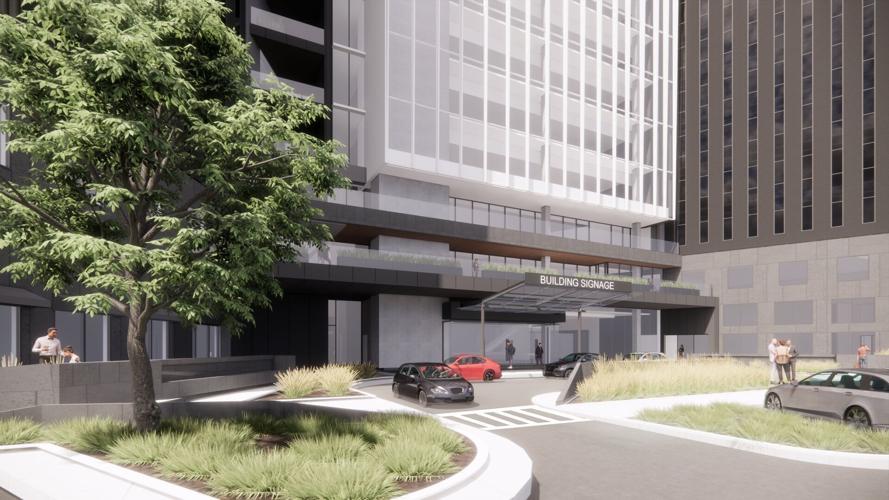
The changing face of 16th Street in downtown Omaha
People are also reading…
Looking back at Omaha's redevelopment projects and projecting the future
In the Redefining Downtown series, Cindy Gonzalez examines Omaha’s major redevelopment efforts over the past 50 years: How we got here, how it worked out, and where we are going.

Gene Leahy Mall set the stage for generations of downtown development in Omaha. Many of the major downtown changes of the past five decades likely owe at least something to the mall’s creation.

The mall’s bare dirt expanse looks surprisingly close to the way it appeared in a 1975 photo, after crews removed the buildings but before they dug a lagoon. It took a reported 9,300 dump truck loads to return the site to its flattened self.

When a historic building in downtown Omaha was about to be razed in 1988, preservationists were able to save its facade for future use. Three decades later, where did the Scribbles facade go?

Hubs of commerce, housing, offices and entertainment are growing across the city. Given such thriving activity outside Omaha's urban core: Why is it so important to have a vibrant downtown anyway?

Conagra wasn't the first or the last time that Omaha's corporate powers have flexed their muscles to shape downtown. But the effort stands out because it involved the destruction of Jobbers Canyon.

Many downtown Omaha warehouses have since been turned into cool housing and commercial space, but the market for such conversion hadn't blossomed yet when the Jobbers Canyon district was demolished.

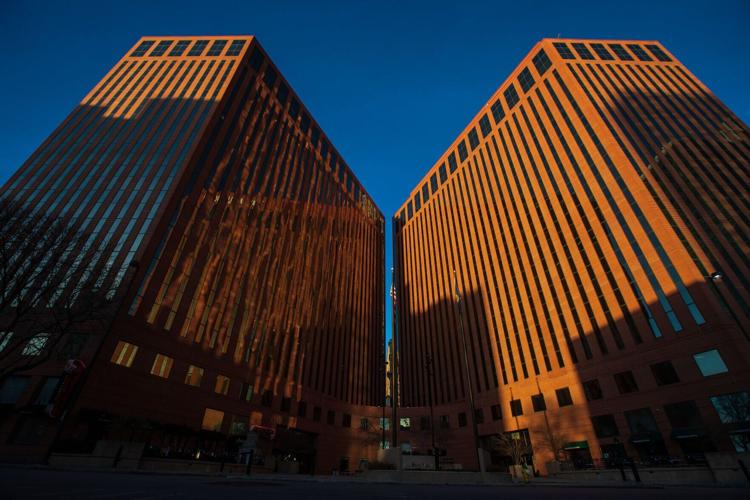
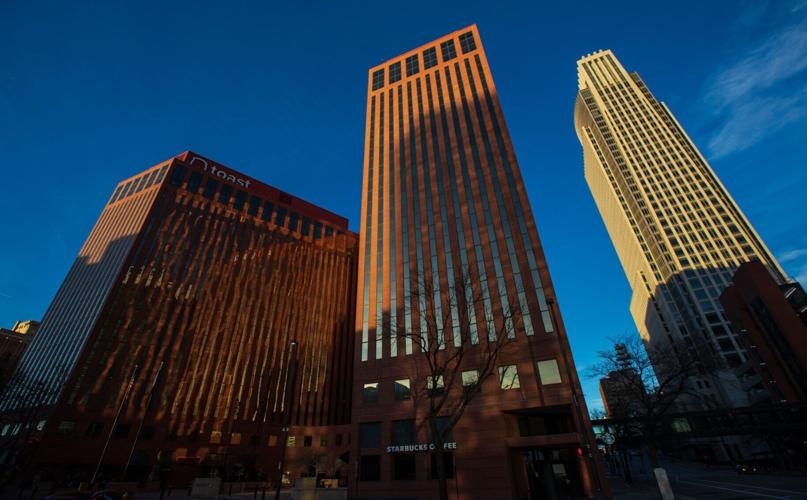
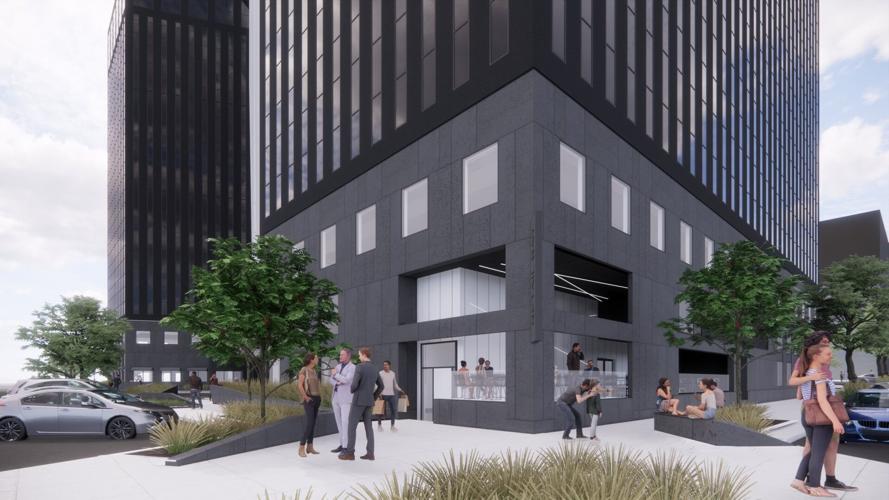
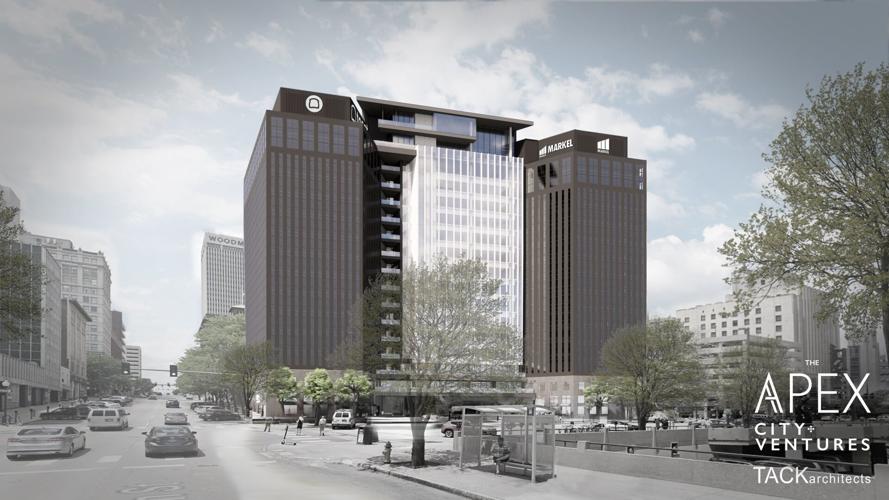
Today, Omaha's 16th Street corridor is but a shadow of its heyday. Department stores of yesteryear have been replaced by stretches of parking garages and aging structures. Not all is bleak, though.

Chances are only a fraction of people may be aware of the history behind the downtown Omaha monuments that adorn the busy crossroads where Abbott Drive meets Cuming and 10th Streets.

The historic area stands out also because early growth of Omaha's Old Market was steered privately by the Mercer family, which owned a sizable chunk of the properties.

Housing is a dominant driver of construction in downtown Omaha, historically the base for department stores and corporate employers. The hope is that the energy also reignites the downtown job market.

An Omaha landmark, the former leather supply building at 714 S. 15th St., has been turned into five contemporary homes covered with the original 1910 brick skin and other vintage features.

Developer Mike Moylan credits Omaha business leaders and philanthropists for nudging downtown expansion and "understanding how important a strong urban core is."


