

The Oglala Sioux Tribe is requiring churches and missionaries to register with the tribe before entering the Pine Ridge Indian Reservation in South Dakota after a Rapid City-based evangelist was banned from entering the reservation for distributing a pamphlet that disparaged traditional Lakota spirituality.
People are also reading…
- Former Nebraska running back 'Tough' Tony Davis dies at 73
- Nebraska football target predicted to Big Ten rival
- Kearney restaurant owner Carlos Godinez will be deported
- Last-minute effort to let nonresidents vote in Lincoln elections dropped
- Developer feels shoved out of Grand Island good life district, seeks state intervention
- Proposal to let nonresidents vote in Omaha, Lincoln elections advances in auditor oversight bill
- Grand Island man arrested for fifth DUI offense
- Catholic educators honored for service in northeast Nebraska
- Lincoln middle school assault leaves girl with possible brain bleed, police say
- 30-year-old Lincoln woman whose death deemed suspicious ID'd
- Nebraska baseball sweeps Saturday doubleheader over Penn State
- State Sen. John Cavanaugh fights GOP group’s ad blitz and rival criticisms in Dem primary in NE-02
- How to watch the Nebraska football spring game: Time, TV channel
- Transfer tracker: The latest on the Nebraska women's basketball roster
- Nebraska basketball's Petra Bozan plans to transfer portal
A group of protestors remained in the downtown area for several hours to protest the Supreme Court's decision to overturn Roe. v Wade.
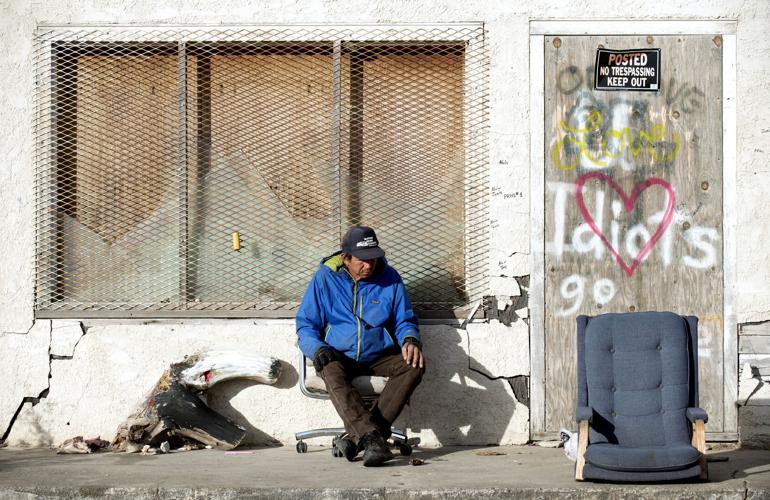
WHITECLAY — They came here first in the 1870s: farmers and ranchers seeking a better life in the Sandhills of northwest Nebraska.
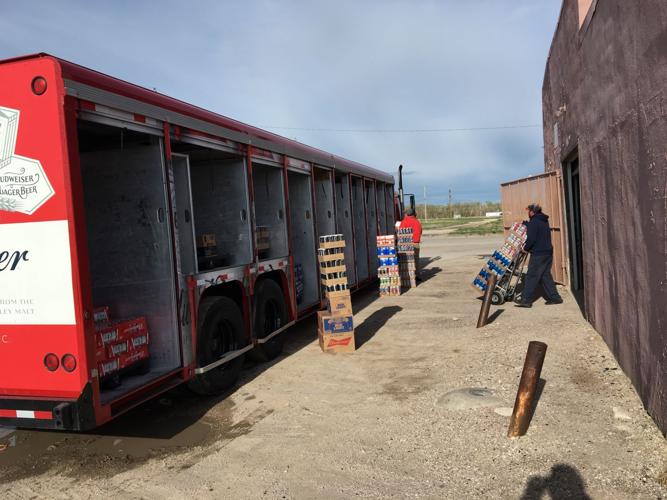
Others came, too, alcohol peddlers seeking to turn a profit by selling booze to the Oglala Lakota, who had been forced onto the nearby Pine Ridge Indian Reservation in 1877.
Philomene Lakota would ride in a wagon with her parents to the town they knew as Dewing.
The high school Native language instructor and elder said a woman who owned a trading post would let her pick out a cookie from a jar every time she entered.
David Rooks and his high school buddies would sneak out, “borrow” a parent’s car and drive to Whiteclay on Friday nights.
The 61-year-old freelance journalist grew up just northwest of Pine Ridge. Whiteclay was an Old West town, where bar fights would inevitably spill out onto the streets.
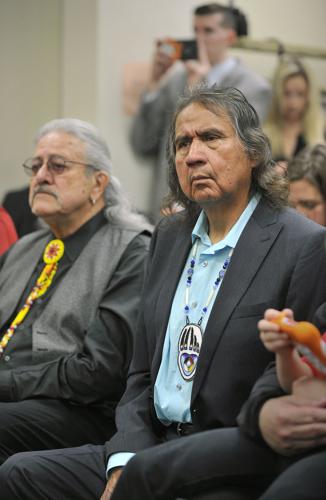
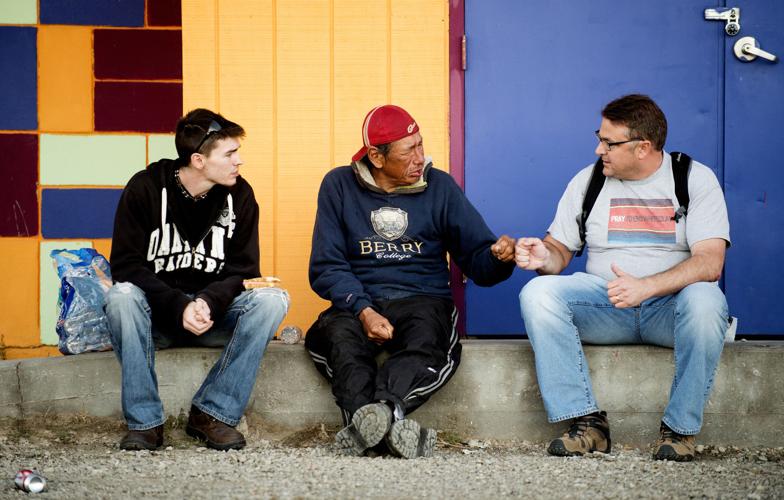
Riding through on a hot day 20 years ago, seeing 50 people drunk beneath the sun — some passed out, some fighting, some peeing in the street — Frank LaMere formed his first definitive conclusions about Whiteclay.
He turned to his driver that day, an elder and fellow visitor from Winnebago country in northeast Nebraska.
When Vic Clarke's family moved to Whiteclay in 1993, his sons were 10, 8 and 6.
They stayed another 20 years.
Don Preister fought for change in Whiteclay before it was cool.
The former Omaha state senator introduced bills each year from 2002 to 2005 that sought to re-establish a 5-mile alcohol-free buffer zone around the Pine Ridge Reservation and ban liquor licenses in cities that lack adequate law enforcement. He introduced a 2006 bill that would have funded a Whiteclay police force through a new tax on alcohol.
John Maisch spent the first 20 years of his life in Nebraska, growing up in Hastings and Grand Island.
But he had never heard of Whiteclay until he was an alcohol regulator in Oklahoma.
Strategy put Patty Pansing Brooks at odds with some close allies over the past 18 months.
Recruited by LaMere, Maisch and other activists to be a legislative voice against Whiteclay beer sales, the Lincoln state senator found herself disagreeing with them on how to approach the issue.
He's helping build a new Whiteclay.
Sam O'Rourke, a 43-year-old Lakota entrepreneur, owns the contracting company that's moving dirt and pouring concrete for a Family Dollar here.
Lasting legacy: From Dewing to Whiteclay, 1870-2017
WHITECLAY — They came here first in the 1870s: farmers and ranchers seeking a better life in the Sandhills of northwest Nebraska.
Others came, too, alcohol peddlers seeking to turn a profit by selling booze to the Oglala Lakota, who had been forced onto the nearby Pine Ridge Indian Reservation in 1877.
Philomene Lakota would ride in a wagon with her parents to the town they knew as Dewing.
The high school Native language instructor and elder said a woman who owned a trading post would let her pick out a cookie from a jar every time she entered.
David Rooks and his high school buddies would sneak out, “borrow” a parent’s car and drive to Whiteclay on Friday nights.
The 61-year-old freelance journalist grew up just northwest of Pine Ridge. Whiteclay was an Old West town, where bar fights would inevitably spill out onto the streets.
Riding through on a hot day 20 years ago, seeing 50 people drunk beneath the sun — some passed out, some fighting, some peeing in the street — Frank LaMere formed his first definitive conclusions about Whiteclay.
He turned to his driver that day, an elder and fellow visitor from Winnebago country in northeast Nebraska.
When Vic Clarke's family moved to Whiteclay in 1993, his sons were 10, 8 and 6.
They stayed another 20 years.
Don Preister fought for change in Whiteclay before it was cool.
The former Omaha state senator introduced bills each year from 2002 to 2005 that sought to re-establish a 5-mile alcohol-free buffer zone around the Pine Ridge Reservation and ban liquor licenses in cities that lack adequate law enforcement. He introduced a 2006 bill that would have funded a Whiteclay police force through a new tax on alcohol.
John Maisch spent the first 20 years of his life in Nebraska, growing up in Hastings and Grand Island.
But he had never heard of Whiteclay until he was an alcohol regulator in Oklahoma.
Strategy put Patty Pansing Brooks at odds with some close allies over the past 18 months.
Recruited by LaMere, Maisch and other activists to be a legislative voice against Whiteclay beer sales, the Lincoln state senator found herself disagreeing with them on how to approach the issue.
He's helping build a new Whiteclay.
Sam O'Rourke, a 43-year-old Lakota entrepreneur, owns the contracting company that's moving dirt and pouring concrete for a Family Dollar here.