The number of deaths in the current Ebola epidemic in the DRC has now topped 1,000, and the number of confirmed cases is around 2500. Experts are calling for more funding to help tackle the crisis as it becomes the fastest spreading outbreak ever recorded.
KERRVILLE, Texas — At a U.S.-funded facility in Panama, scientists are preparing to launch the first outdoor tests of genetically modified screwworm flies, a milestone in efforts to develop a more effective weapon against the flesh-eating parasite that spread through Central America and into the United States.
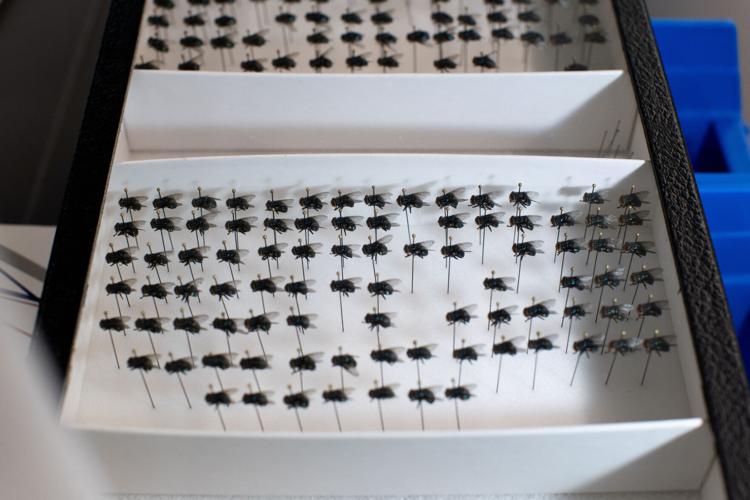
A reference collection of sterile New World screwworm flies from Panama sits on a counter July 14 at the Knipling-Bushland U.S. Livestock Insects Research Laboratory in Kerrville, Texas.
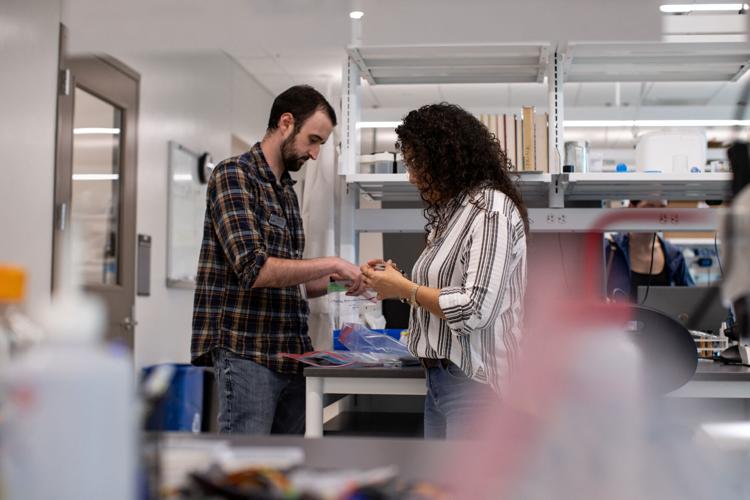
Biology Science Lab Technician Nathaniel Haulk and Oak Ridge Institute for Science and Education Scientist Zamira Yusseff-Vanegas arrange sterile New World screwworm flies for observation July 14 at the Knipling-Bushland U.S. Livestock Insects Research Laboratory in Kerrville, Texas.
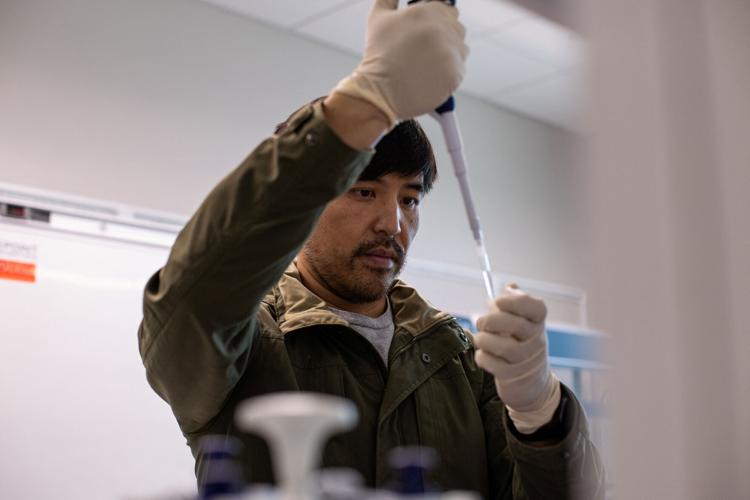
Acting Research Lead Perot Saelao performs a demonstration July 14 in the genomics lab at the Knipling-Bushland U.S. Livestock Insects Research Laboratory in Kerrville, Texas.
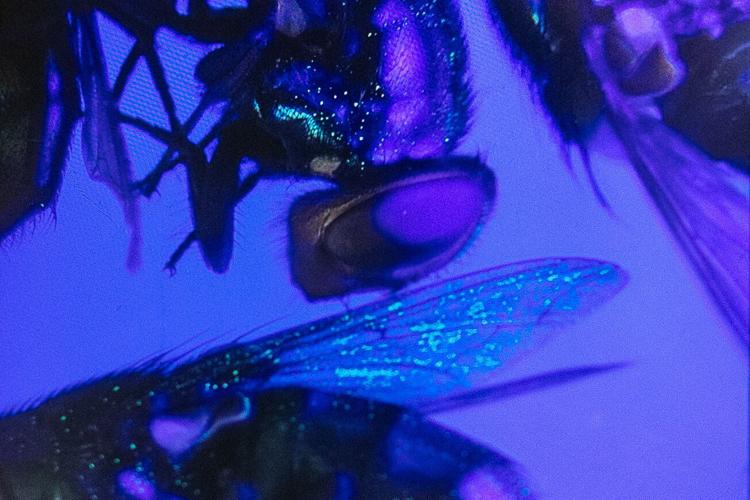
A distinctive powder that glows under blacklight, applied to sterile New World screwworm flies, is seen through a microscope on a phone display July 14 at the Knipling-Bushland U.S. Livestock Insects Research Laboratory in Kerrville, Texas.
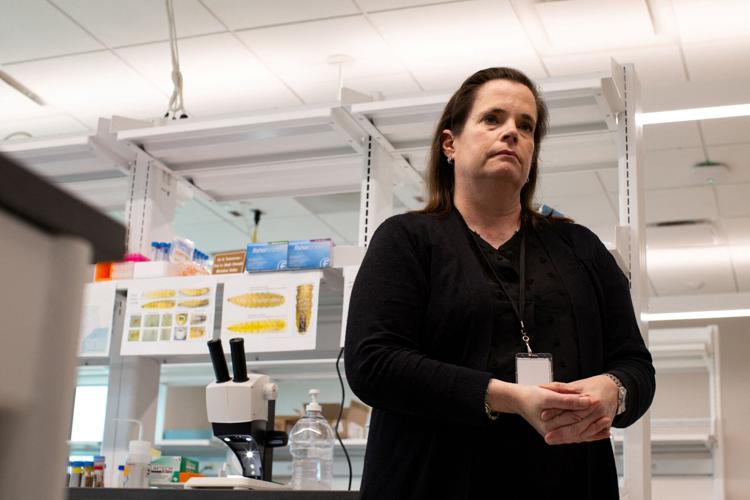
Laboratory Director Kim Lohmeyer participates in an interview July 14 at the Knipling-Bushland U.S. Livestock Insects Research Laboratory in Kerrville, Texas.
Biology Science Lab Technician Nathaniel Haulk and Oak Ridge Institute for Science and Education Scientist Zamira Yusseff-Vanegas arrange sterile New World screwworm flies for observation July 14 at the Knipling-Bushland U.S. Livestock Insects Research Laboratory in Kerrville, Texas.
Acting Research Lead Perot Saelao performs a demonstration July 14 in the genomics lab at the Knipling-Bushland U.S. Livestock Insects Research Laboratory in Kerrville, Texas.
A distinctive powder that glows under blacklight, applied to sterile New World screwworm flies, is seen through a microscope on a phone display July 14 at the Knipling-Bushland U.S. Livestock Insects Research Laboratory in Kerrville, Texas.
Laboratory Director Kim Lohmeyer participates in an interview July 14 at the Knipling-Bushland U.S. Livestock Insects Research Laboratory in Kerrville, Texas.
A reference collection of sterile New World screwworm flies from Panama sits on a counter July 14 at the Knipling-Bushland U.S. Livestock Insects Research Laboratory in Kerrville, Texas.