ASSOCIATED PRESS, NASA, BRITISH MOVIETONE, JOHN F. KENNEDY PRESIDENTIAL LIBRARY AND MUSEUM
NASA is going back to the moon more than a half-century after Apollo. The Artemis mission with four astronauts on board won't land on the moon this time or even orbit it. But it's the first step for future moon landings.
CAPE CANAVERAL, Fla. — The people who toiled night and day to put astronauts on the moon during Apollo are thrilled that NASA is finally going back. They just wish these Artemis moonshots had happened sooner while more of Apollo's workforce was still alive.
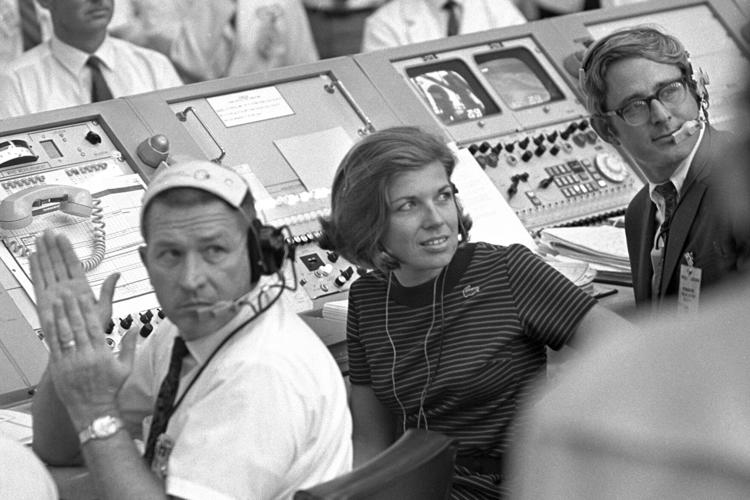
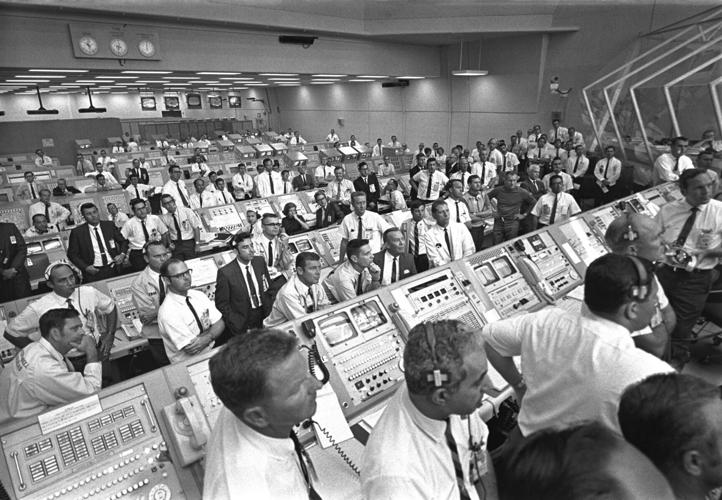
In this photo provided by NASA, JoAnn Morgan, sitting in the center of the third row, watches the launch of Apollo 11 from the launch firing room, July 16, 1969, in Cape Canaveral, Fla.
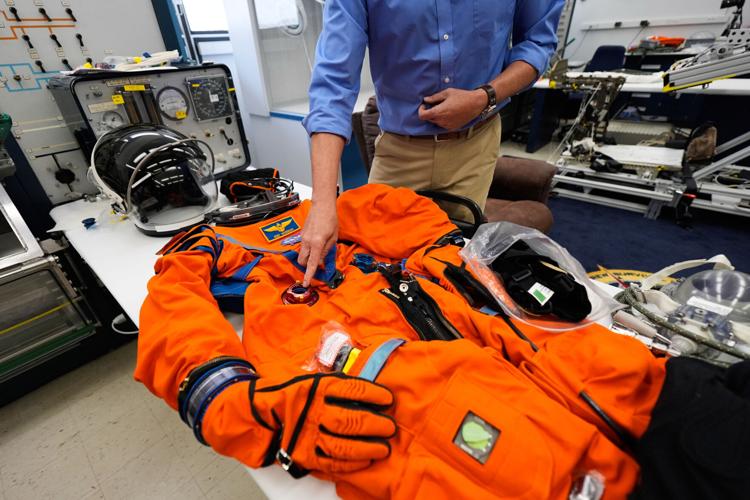
Dustin Gohmert, Orion Crew Survival Systems project manager, describes construction of space suits that will be used for the Artemis II mission at Johnson Space Center on July 24, 2025, in Houston.
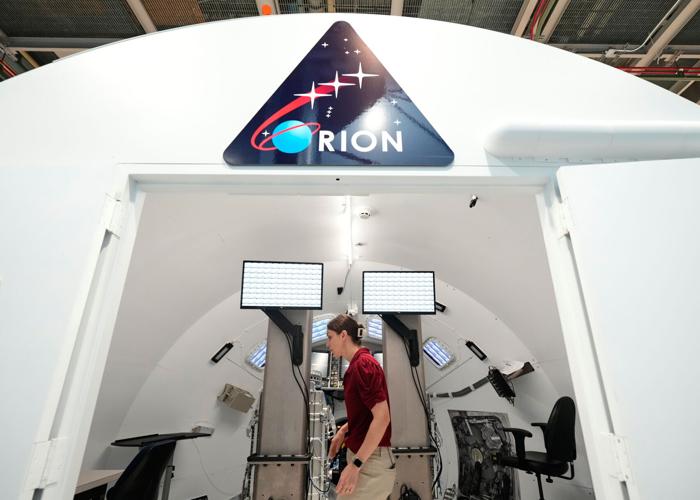
Jacki Mahaffey, chief training officer for Artemis II, prepares for a training mission in the Orion Mission Simulator at Johnson Space Center on July 25, 2025, in Houston.
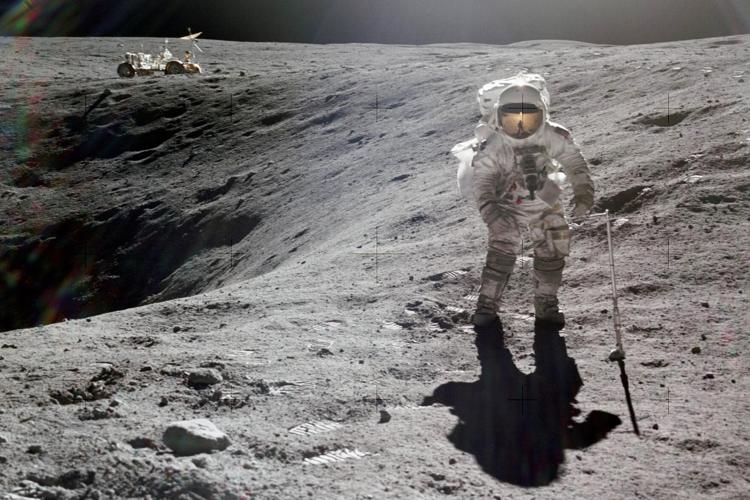
In this photo provided by NASA, astronaut Charles M. Duke Jr. collects lunar samples at Station No. 1 during the first Apollo 16 extravehicular activity at the Descartes landing site, April 21, 1972.
The Associated Press Health and Science Department receives support from the Howard Hughes Medical Institute's Department of Science Education and the Robert Wood Johnson Foundation. The AP is solely responsible for all content.
In this photo provided by NASA, JoAnn Morgan, sitting in the center of the third row, watches the launch of Apollo 11 from the launch firing room, July 16, 1969, in Cape Canaveral, Fla.
Dustin Gohmert, Orion Crew Survival Systems project manager, describes construction of space suits that will be used for the Artemis II mission at Johnson Space Center on July 24, 2025, in Houston.
Jacki Mahaffey, chief training officer for Artemis II, prepares for a training mission in the Orion Mission Simulator at Johnson Space Center on July 25, 2025, in Houston.
In this photo provided by NASA, astronaut Charles M. Duke Jr. collects lunar samples at Station No. 1 during the first Apollo 16 extravehicular activity at the Descartes landing site, April 21, 1972.