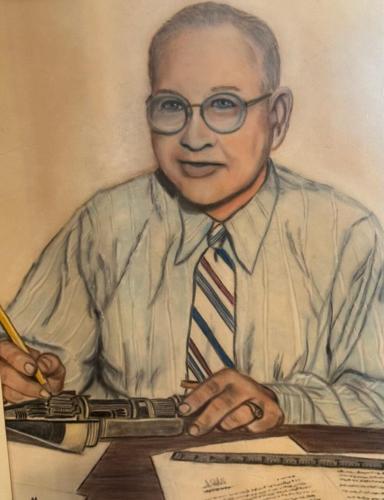

Ogallala inventor Robert A. Goodall, founder of the Keith County seat's electronics industry, is shown here with an example of World War II's top-secret VT proximity fuze. His pencil points to the fuze's small radar component, built by his Good-All Electric Manufacturing Co., that caused it to detonate in close proximity to its target. Used in millions of bombs and artillery shells, the VT fuze — and Goodall's device — also set off the world's first atomic bomb on Aug. 6, 1945.
People are also reading…

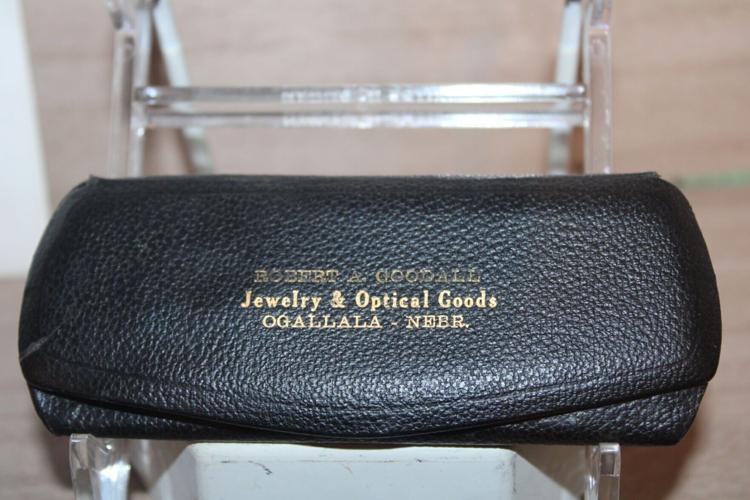
After briefly studying law after 1913 his graduation from Crete's Doane College (now Doane University), Robert A. Goodall bought an Ogallala jewelry shop that became the crucible for the first of his up to 200 inventions. This case for glasses is on display at Ogallala's Mansion on the Hill museum.

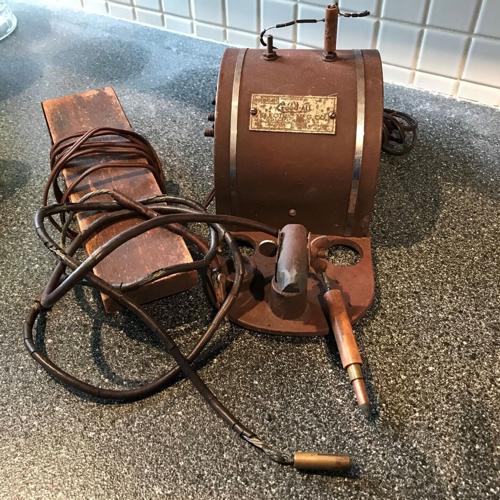
Robert Goodall's first inventions in his 1920s Ogallala jewelry shop included an electric soldering machine that welded together broken rings. Good-All Electric Manufacturing Co., which he founded to produce that and an equally revolutionary watch-cleaning machine in 1923, produced this version of the soldering machine for U.S. Army uses during World War II.

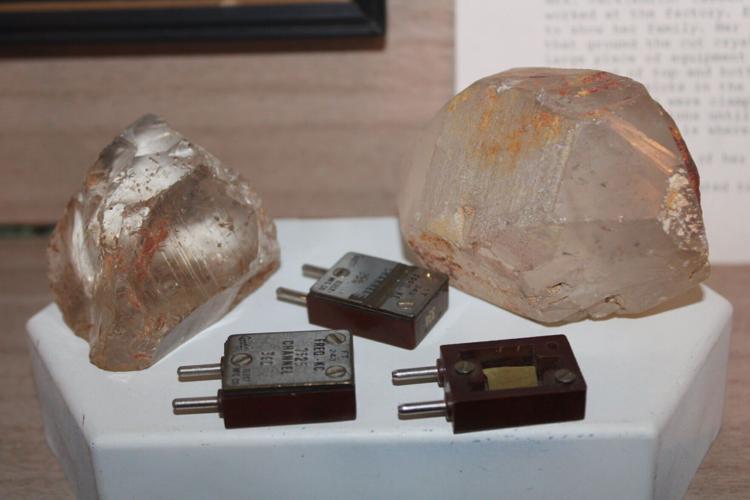
Robert Goodall's first big World War II invention defeated radio transmission "fadeouts" with these components holding quartz crystals ground to tolerances of one ten-millionth of an inch. It landed Ogallala's Good-All Electric Manufacturing Co. its first major military contract in late 1942.

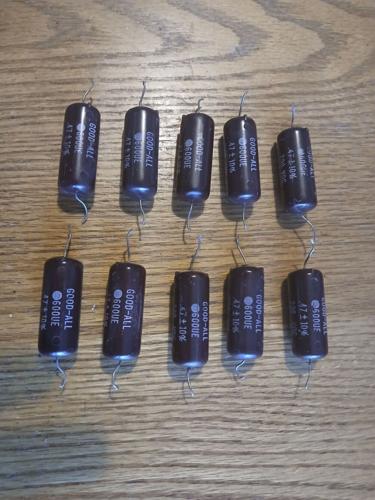
Good-All Electric Manufacturing Co. of Ogallala began manufacturing electronic capacitors in 1943 for multiple uses, including inclusion in its top-secret radar device in the VT proximity fuse that set off artillery shells, conventional bombs and the world's first atomic bomb. These Good-All capacitors, likely made sometime before the firm's 1960 sale to TRW, show the two wire "tails" that, when soldered into a circuit board, receive and send along electronic charges temporarily stored in their tubular heart.

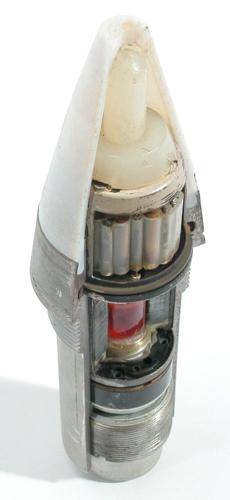
This cutaway example of a Mark 58 World War II-era VT (variable time) proximity fuze shows a row of cylindrical tubes near its top. They're part of an "oscillator-detector amplifier thyratron bundle," which contained a tiny radar sender and receiver that located a target and controlled the detonation of the fuze's host bombs and artillery shells. Good-All Electric Manufacturing Co. of Ogallala invented and built millions of the radar devices for the VT fuze, which also was used in the first atomic bomb.

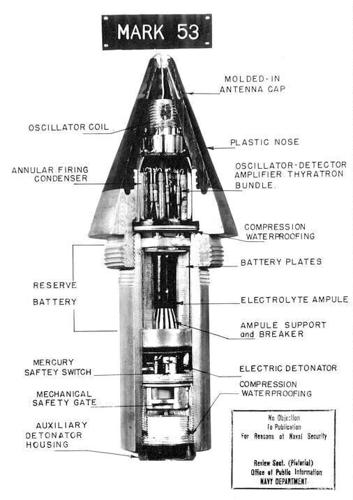
This U.S. Navy depiction labels the various parts of a Mark 53 World War II-era VT proximity fuze.
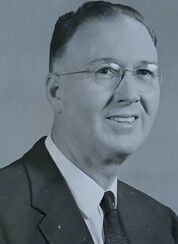
John G. Townsend Sr.

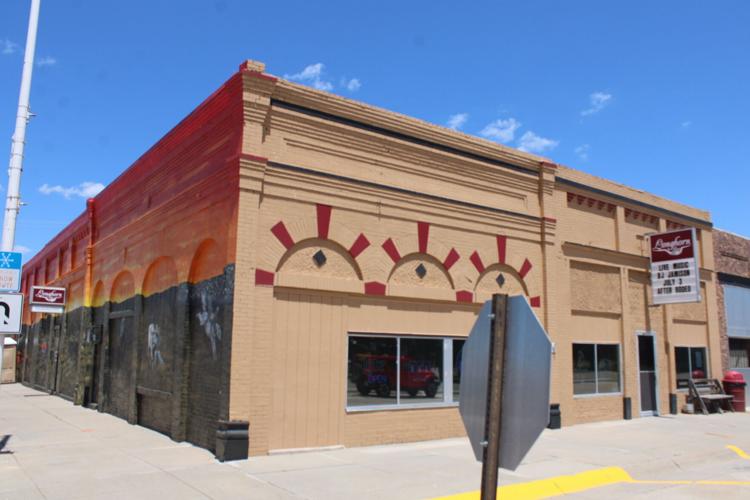
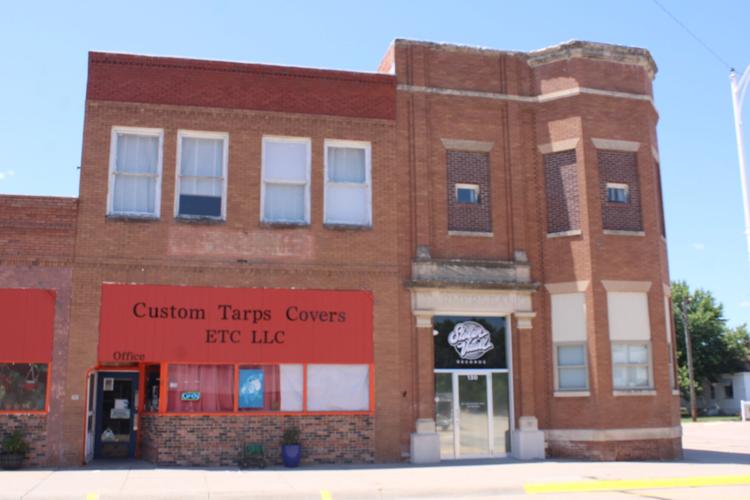
The Longhorn Bar building, at First and Walnut streets in downtown Sutherland, housed the main offices of Townsend Manufacturing Co. during and after World War II. Workers assembled capacitors — then called "condensers" — in its upper floor and two other downtown buildings under a contract with Good-All Electric Manufacturing Co. of Ogallala. The firm operated into the late 1950s.

Sutherland's one-time post office at Second and Walnut streets was one of three downtown buildings where a mostly female work force assembled capacitors during and after World War II for Townsend Manufacturing Co. under contract with Good-All Electric Manufacturing Co. of Ogallala.

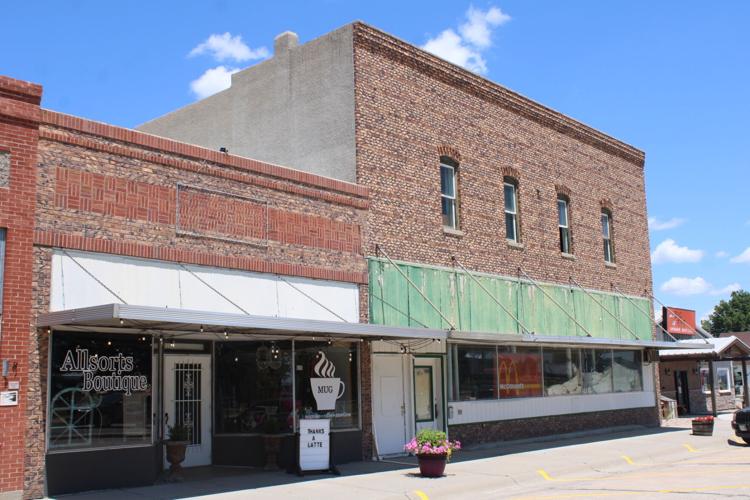
The two-story building just east of Sutherland's Allsorts Boutique and Mug coffee shop was one of three downtown buildings where Townsend Manufacturing Co. employees manufactured capacitors for Ogallala's Good-All Electric Manufacturing Co. during and after World War II.

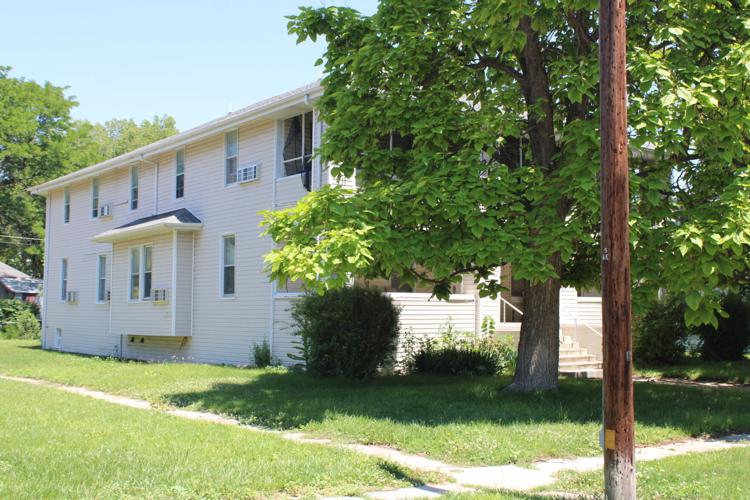
This three-story private apartment house at 721 W. Fifth St. in North Platte was built by Dr. J.S. Twinem in 1920. It served as a hospital for two decades before its 1940 purchase for the new home of the North Platte School of Commerce. In 1944, school Superintendent Ralph McPherson opened McPherson Manufacturing Co. on the top two floors, where mostly female workers built capacitors for the military under contract with Good-All Electric Manufacturing Co. of Ogallala. Both moved downtown in May 1945, after which Union Pacific Railroad leased it as a rooming house for its employees.