

The arrival of spring this year was an occasion for gardeners to prepare the soil and start new plantings. For Nebraska Extension educators, it was the time to lead training sessions for the new set of Master Gardener volunteers.
The 40 hours of instruction give aspiring master gardeners a broad-based, much-appreciated understanding of horticultural care. Topics include soil health, plant selection, pollinators, turf management, tree care, water conservation and pest management.
“I had gardened for years, but the classes were extensive,” said Betsy Anderson, a Blair resident who became a master gardener in 2017 along with her husband, Bill. “It was a tremendous amount of information. I often go back and look at those resources to see if I’m doing something correctly.”
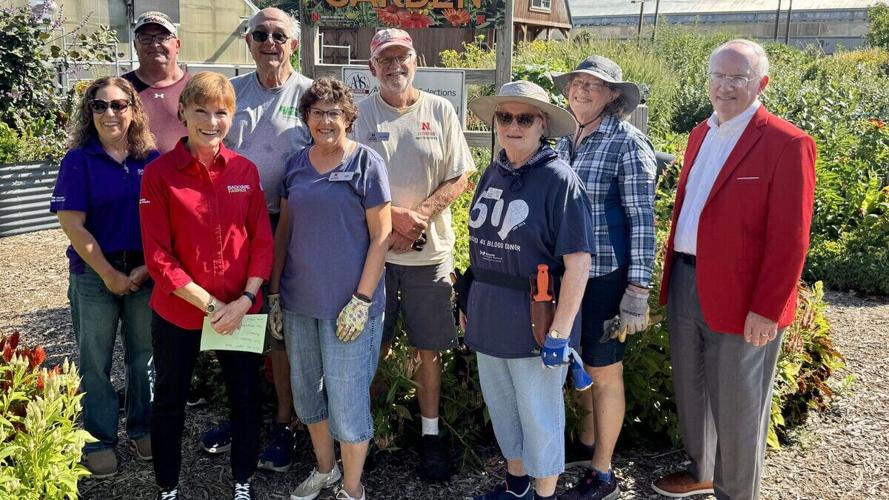
The Andersons are among the more than 4,000 Nebraskans whom extension educators have trained through the volunteer program since its beginning in 1976. As the program celebrates its 50th anniversary this year, current master gardeners praise its multiple benefits — knowledge gained, communities helped and friendships formed.
People are also reading…
The extension training and support “broaden our appreciation for everything going on in our yard,” said John Cariotto, a Lincoln resident who became a Nebraska master gardener in 2005 along with his wife, Penny. “You feel like you’ve been part of helping nature. It’s an uplifting feeling.”
Joline Sinor, a Grand Island resident and master gardener volunteer since 2006, said it has been wonderful to be able to build on what she knows. The ongoing instruction and support from extension “give me the scientific background and the building blocks so that it all fits together,” she said.
Master gardeners appreciate that the information Nebraska Extension provides is scientifically sound and adjusts as horticultural understanding advances, said Gretna resident Janice Wear, a master gardener volunteer since 1987.
A significant adjustment in the program over the years, she said, has been switching from upfront reliance on pesticides to a broader approach, integrated pest management. That approach includes correctly identifying insects, diseases and weeds before taking action; regularly checking plants for damage or pests to catch issues early; and using healthy soil and resistant plant varieties, with chemical application as a last resort.
Nebraska master gardener volunteers stand out for their work on community projects, devoting 40 hours to volunteer service during the first year. Extension helps them retain their certification through annual training and volunteering.
In Blair, Anderson has helped extensively with horticultural work at Veterans Tribute Plaza and in managing the downtown’s 29 flower pots. It has been a learning experience throughout, and support and advice from extension educators have been invaluable, she said.
In Gering, master gardeners Tina Luz and Carol Knaub have been honored locally for their wide-ranging volunteer work at the Community Ever Green House featuring a community garden, greenhouse, fruit trees and arboretum. Luz and Knaub coordinate with other volunteers to tend plants and host farmers markets, and have installed raised gardening beds, wood arbors and new cement walkways. They annually raise hundreds of pounds of produce that are donated to food pantries through the Growing Together Nebraska program in partnership with Nebraska Extension.
“It’s really quite beautiful,” Luz, a master gardener volunteer since 2018, said of the multi-faceted work at the community greenhouse.
Support from Nebraska Extension educators “has always been great,” she said. “If I have a question, they can put me in touch with experts. They will come out and inspect and take samples and tell us what we need to do.”
Her experience points to an additional benefit from this community service — the camaraderie that emerges among fellow master gardener volunteers through shared service and ongoing training and discussions.
Cariotto appreciates the fellowship he and other master gardeners have shared in managing the Backyard Farmer Garden on East Campus.
“I’ve worked with some of them for 22 years,” said Cariotto, the current vice president of the Garden Club of Lincoln. “It’s important to have these relationships and help grow them.”
Master gardeners praised Terri James, Nebraska Extension educator, for her energetic work as the program’s statewide coordinator. The program’s volunteers, she said, are lifelong learners who “have helped Nebraskans grow smarter, more resilient landscapes while fostering connections between people and place.”
Anderson, in Blair, expressed gratitude for that local connection through volunteer service.
“It pleases me that I can pay it back to the community for all the things my community does for me,” she said.
Such volunteer efforts energize master gardeners to stay involved for the long term.
“You want to learn more and share more,” Sinor said. “You experiment, do things and then you share it, and it benefits people.”
The result, she said, is a lifelong connection that gives the volunteers special meaning.
“It’s a living, growing feeling,” she said. “It becomes part of you.”


