UNL Panhandle Research Extension and Education Center (PREEC)
Nebraska Extension will host a webinar titled "Considerations for Feeding the Cowherd this Fall and Winter" on Thursday, October 8 at 6:30 p.m. Mountain Time.
Drought continues to grip the High Plains region, and prices for forage and grain have risen sharply compared with a year ago. Supplies are limited, which challenges producers to consider feed options. This webinar will explore various feed options producers could consider in light of current hay and commodity prices.
Karla Wilke, Nebraska Extension cow-calf systems specialist, will show several examples of feeding options that could meet a cow’s nutrient needs with the feed resources that are available. The logistics and infrastructure needed to utilize these feeds will be discussed as well.
"What may make sense for one producer won’t work for someone else. Each producer needs to consider their own situation, what they have available, and what they are able to do," said Wilke.
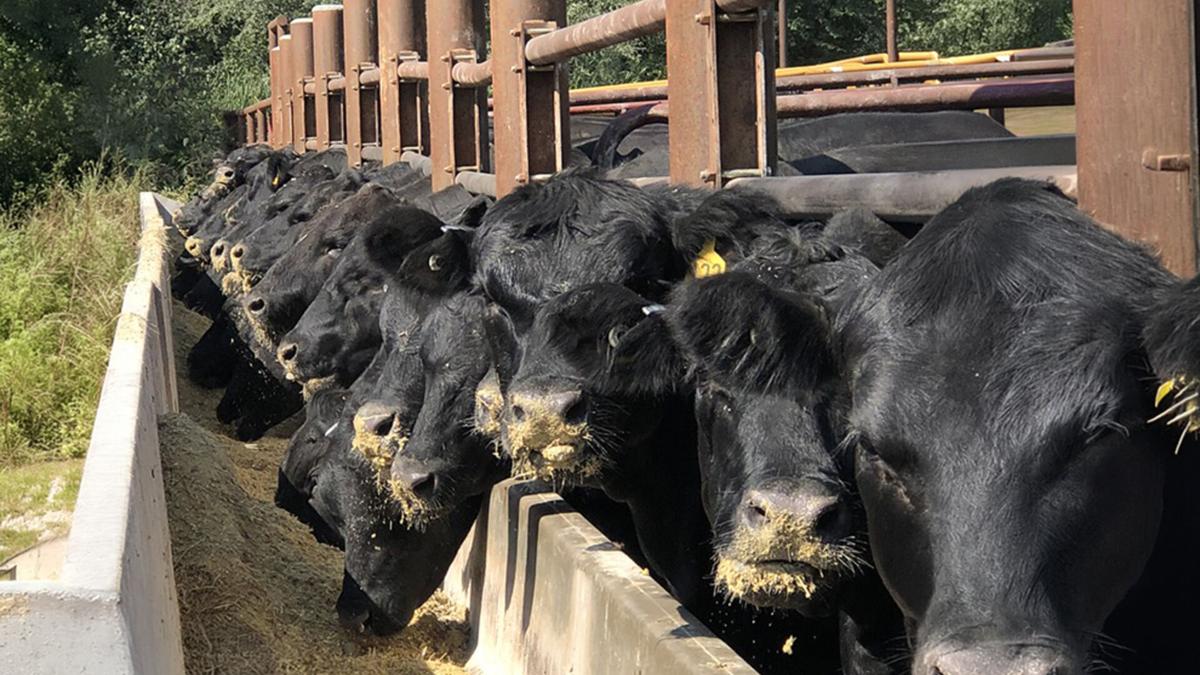
Feeding concentrates such as corn, soy hulls or distillers grains with limited roughage could be an economical option given current hay prices. "We can use low-quality forages or residues in diets, but we will have to also add a source of energy and protein to meet the needs of the cow or cow-calf pair appropriately," she said.
The webinar will provide practical information, and Wilke will highlight lessons learned from university research and from producers who have utilized various feed resources in the past when forage was in short supply.
Webinar topics
Ration examples and feed cost estimates based on current commodity prices
Limit feeding versus full feeding
Use of crop residues and other roughages besides traditional hay sources
Vitamin and mineral considerations for pregnant cows and calves that will be born
Understanding different protein sources and how they can be cost effectively utilized
How an ionophore can be used to increase efficiency with limited feed
The webinar is free, but registration is required. To register, contact Aaron Berger at aberger2@unl.edu or click on side link.
This content is sourced from
UNL Panhandle Research Extension and Education Center (PREEC)
. It reflects the author's views and has not been edited by our newsroom. It may have been generated using AI assistance.